Shikoku is the smallest of Japan’s four main islands, but there’s a lot more here than its size might suggest.
Made up of Ehime, Kagawa, Kochi, and Tokushima, Shikoku is known for everything from historic hot springs and Sanuki udon to beautiful nature, local festivals, and the famous 88-temple pilgrimage.
It’s also a quieter side of Japan that many international visitors still don’t know very well.
In this article, I’ll introduce some of the food, places, and experiences that make Shikoku worth discovering.
What Makes Shikoku Special?
Shikoku feels different from Japan’s bigger cities.
Life here tends to move at a slower pace, and nature is never very far away. Mountains, rivers, the Seto Inland Sea, small towns, and countryside are all part of the landscape.
But what makes Shikoku especially interesting is how much each of its four prefectures has its own character. Ehime, Kagawa, Kochi, and Tokushima each have different local foods, traditions, landscapes, and things they’re known for.
That variety is a big part of what makes exploring Shikoku so much fun.
Ehime: Onsen, Mikan & the Seto Inland Sea
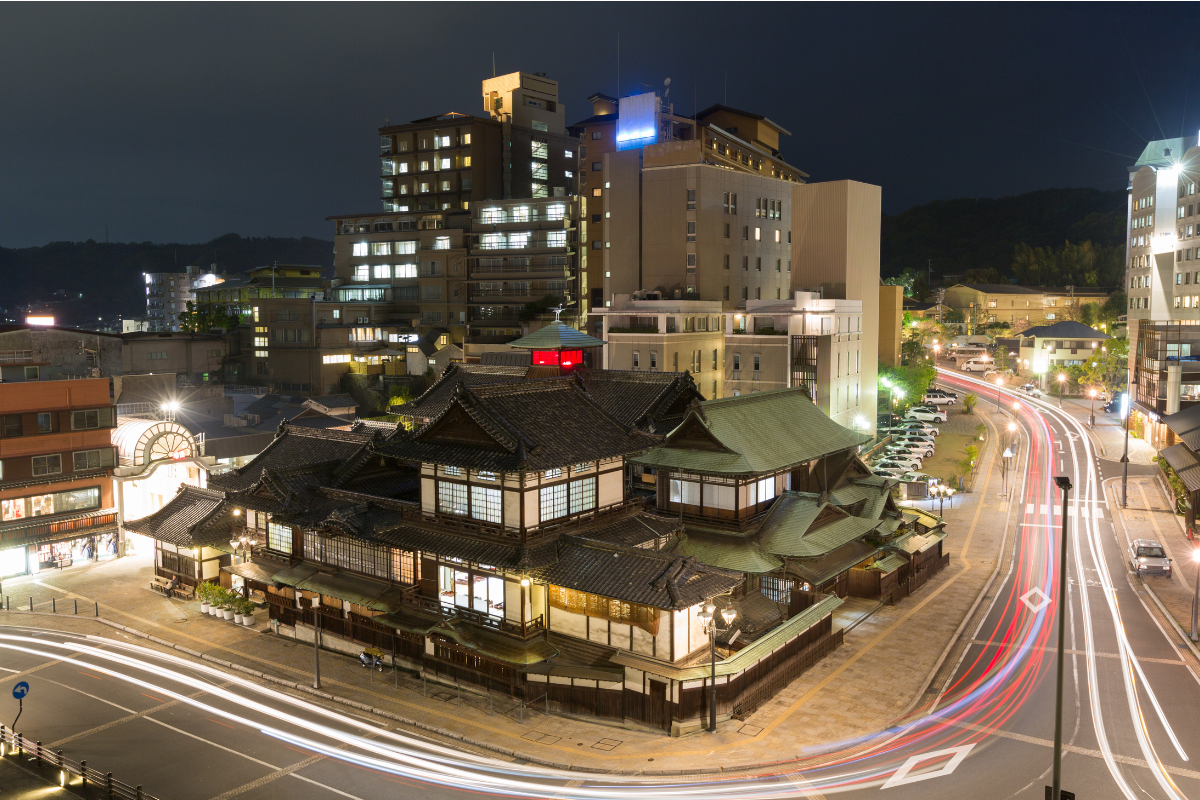
Ehime is probably best known for two things: Dogo Onsen and mikan.
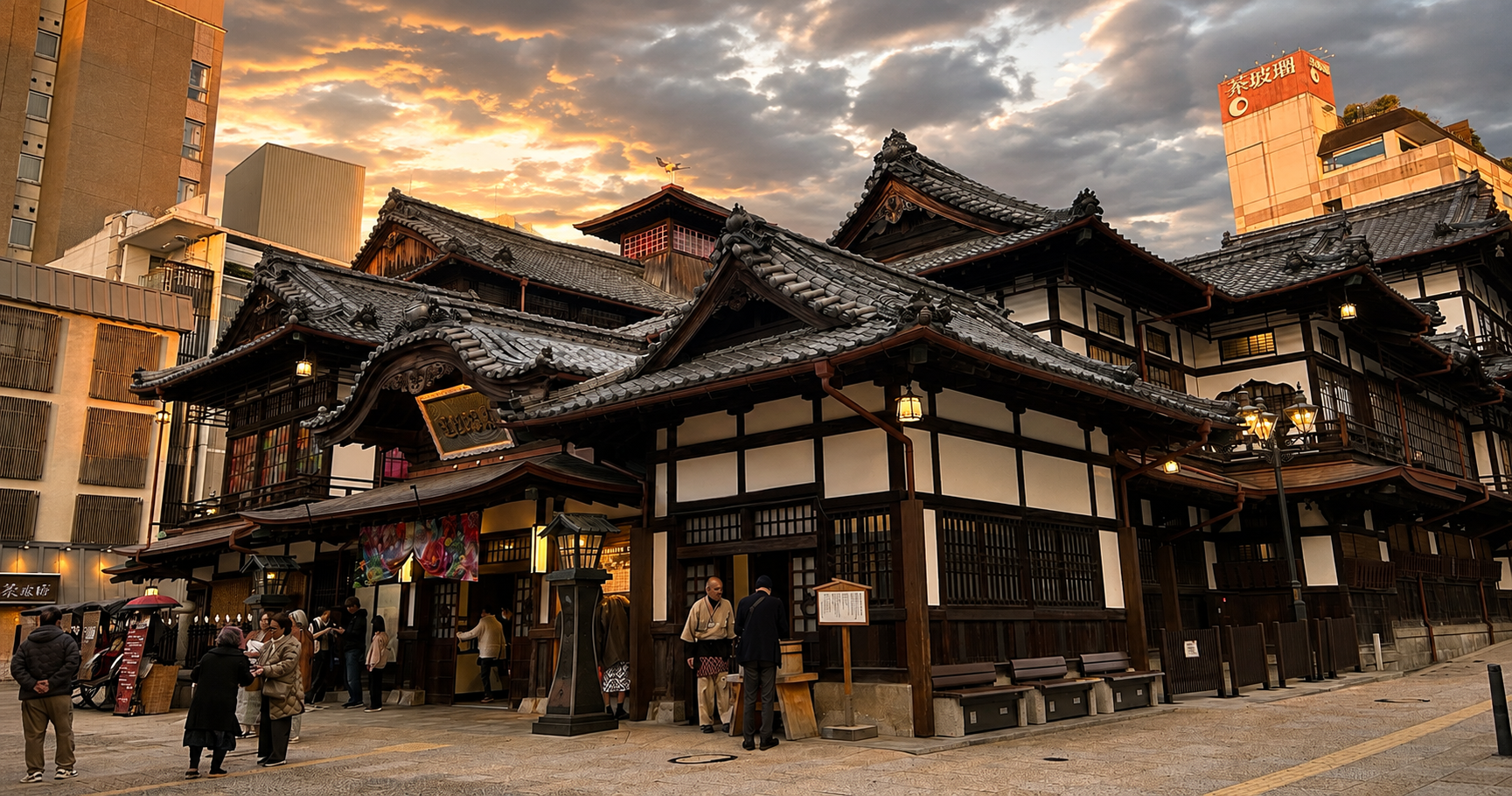
Dogo Onsen in Matsuyama is one of Japan’s most famous hot spring areas, while mikan and other citrus fruits are such a big part of Ehime that you’ll see them everywhere — from fresh fruit and juice to sweets and souvenirs.
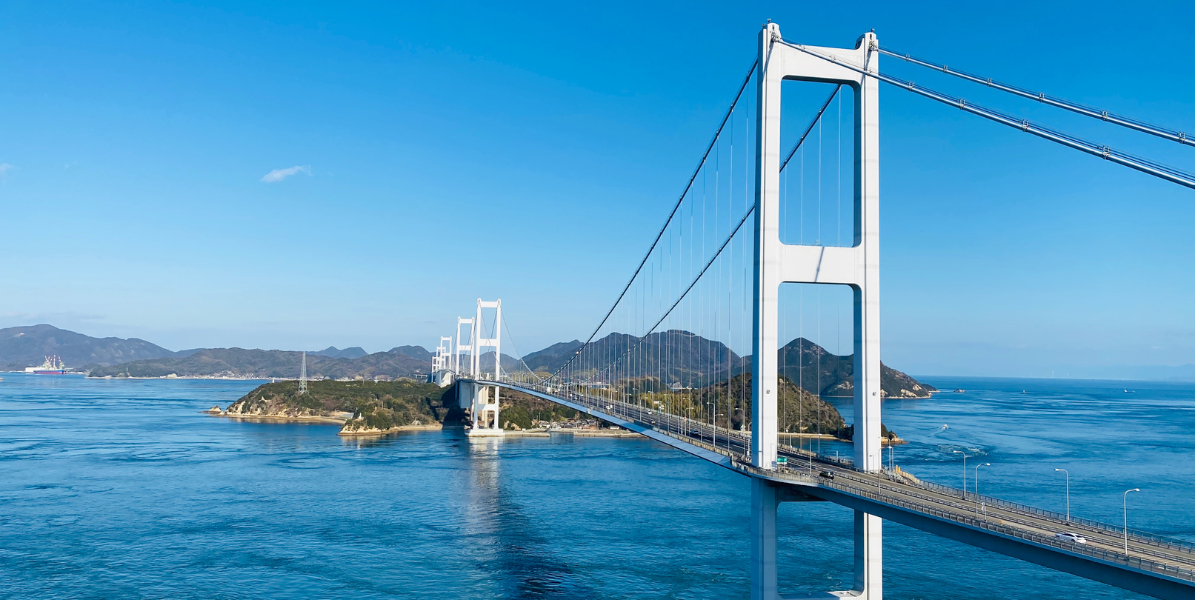
Ehime also faces the Seto Inland Sea, giving the prefecture a completely different side to explore, with islands, coastal scenery, and beautiful cycling routes.
If you prefer a slower style of travel, Ehime is a lovely place to take your time and enjoy each area without rushing.
Kagawa: Sanuki Udon, Art & Island Life
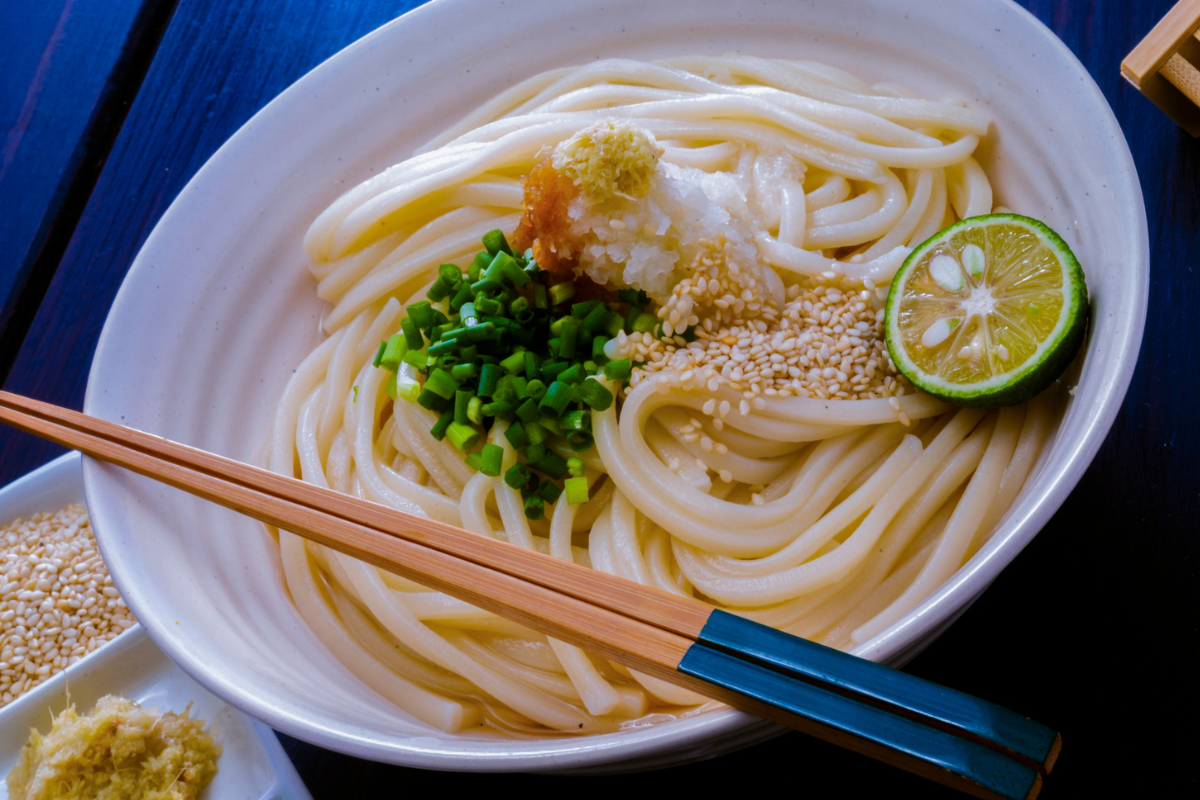
Kagawa may be Japan’s smallest prefecture, but when it comes to udon, it has a huge reputation.
Sanuki udon is everywhere here, from simple self-service shops to long-established local favorites. Eating udon in Kagawa is more than just trying a famous dish — it’s part of the local culture and everyday life.
But Kagawa isn’t only about noodles. The prefecture is also known for its islands in the Seto Inland Sea, including Naoshima, which has become famous for contemporary art.
Whether you come for the udon, the art, or the island scenery, Kagawa packs a lot into a surprisingly small area.
Kochi: Katsuo, Rivers & Wild Nature
Kochi is a great place to experience a wilder, more nature-filled side of Shikoku.
One of its most famous local foods is katsuo no tataki — bonito that is seared on the outside while remaining tender inside. It’s a must-try if you enjoy seafood.
Kochi is also known for its beautiful rivers, mountains, and long Pacific coastline. The Shimanto River is especially famous for its clear water and peaceful scenery.
If you love good food and spending time outdoors, Kochi has a very different charm from the Seto Inland Sea side of Shikoku.
Tokushima: Awa Odori & the Naruto Whirlpools
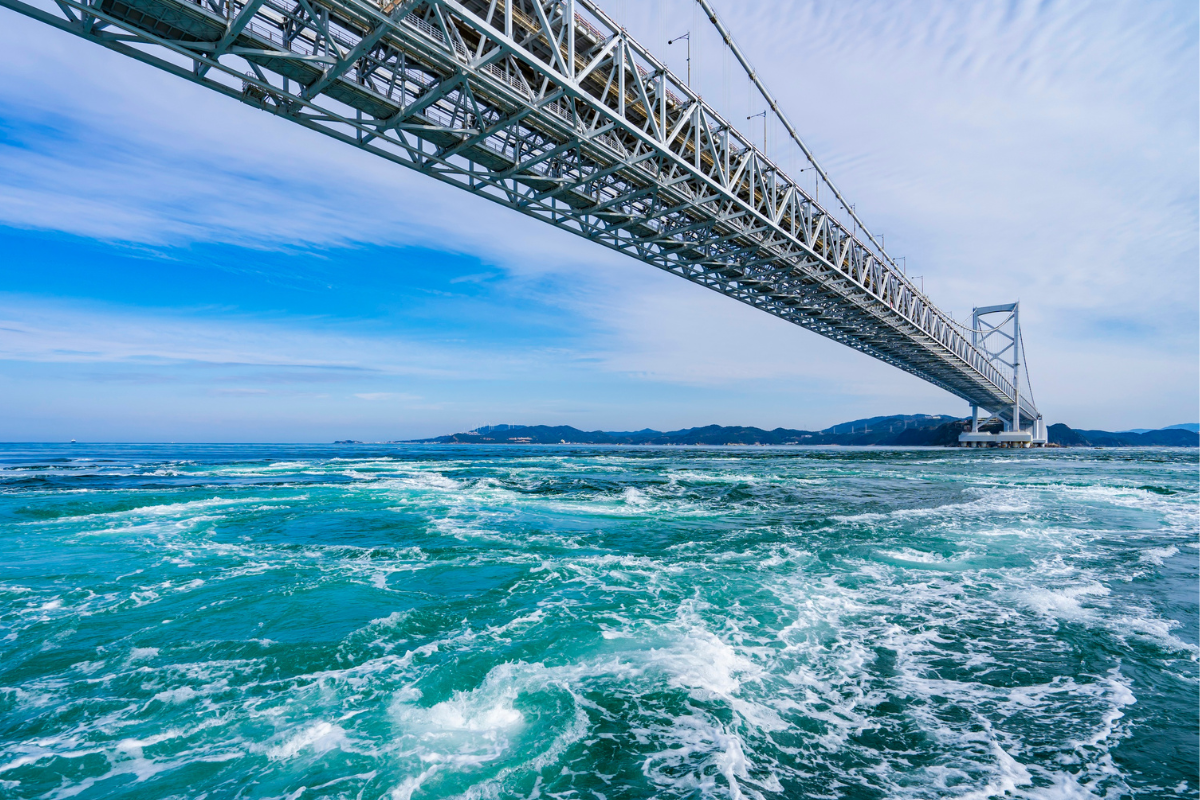
Tokushima is best known for Awa Odori, one of Japan’s most famous traditional dance festivals.
Every summer, the streets of Tokushima City fill with dancers, music, and crowds, creating a completely different atmosphere from the quieter side of Shikoku.
Another famous sight is the Naruto Whirlpools, a natural phenomenon that appears in the Naruto Strait between Shikoku and Awaji Island. You can see them from sightseeing boats or from viewpoints around the area.
From lively festivals to dramatic coastal scenery, Tokushima shows another side of what makes Shikoku so diverse.
The Shikoku 88 Temple Pilgrimage
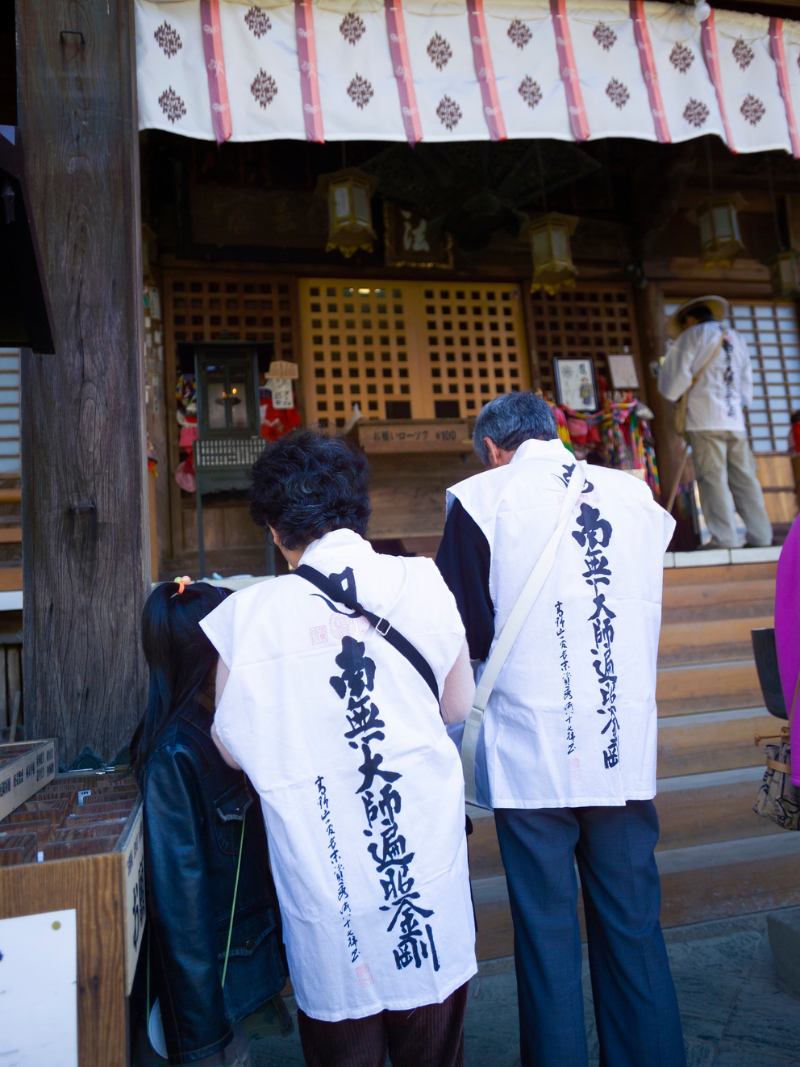
One of the things that makes Shikoku truly unique is the Shikoku 88 Temple Pilgrimage.
The route connects 88 Buddhist temples across all four prefectures and is closely associated with Kobo Daishi, also known as Kukai, one of the most important figures in Japanese Buddhism.
You don’t have to complete all 88 temples to experience it. While traveling around Shikoku, you may see pilgrims dressed in white walking along roads, waiting at train stations, or visiting temples along the route.
Some people complete the pilgrimage on foot, while others travel by car, bus, bicycle, or a combination of different ways.
Even if you’re not doing the pilgrimage yourself, visiting one or two of the temples can be an interesting way to experience a part of Shikoku’s history and culture that is still very much alive today.
Nature and Scenery in Shikoku
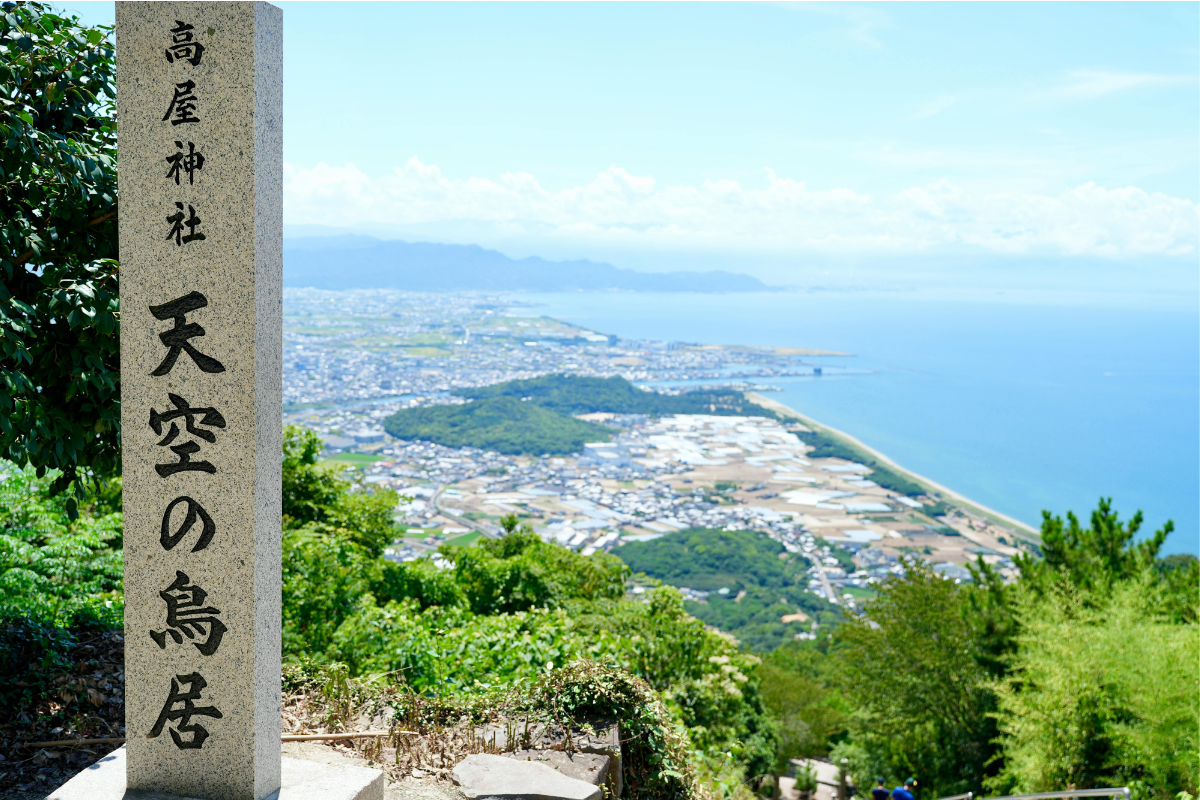
One of the best things about Shikoku is how close you are to nature.
The island has mountains, clear rivers, quiet countryside, and two very different coastlines — the calm Seto Inland Sea to the north and the Pacific Ocean to the south.
You don’t have to travel far from the cities to find beautiful scenery, and sometimes the journey between places is just as enjoyable as the destination itself.
For me, this slower and more peaceful side of Japan is a big part of what makes Shikoku special.
Is Shikoku Worth Visiting?
Absolutely, especially if you want to see a quieter side of Japan.
Shikoku doesn’t have the same big-city attractions as Tokyo or Osaka, and that’s part of its charm. It’s a place to slow down, enjoy local food, spend time in nature, and discover smaller towns and traditions along the way.
It may take a little more planning to get around, but if you’re looking for somewhere beyond the usual Japan itinerary, Shikoku is well worth adding to your trip.
Final Thoughts on Shikoku
Shikoku may be the smallest of Japan’s four main islands, but it has plenty to discover.
Each of its four prefectures has its own character, and part of the fun is experiencing how different they feel from one another.
If you’re curious about a slower, more local side of Japan, I hope Shikoku finds its way onto your travel list.
I’ll be sharing more about places, food, and everyday life around Shikoku, so there’s plenty more to come.