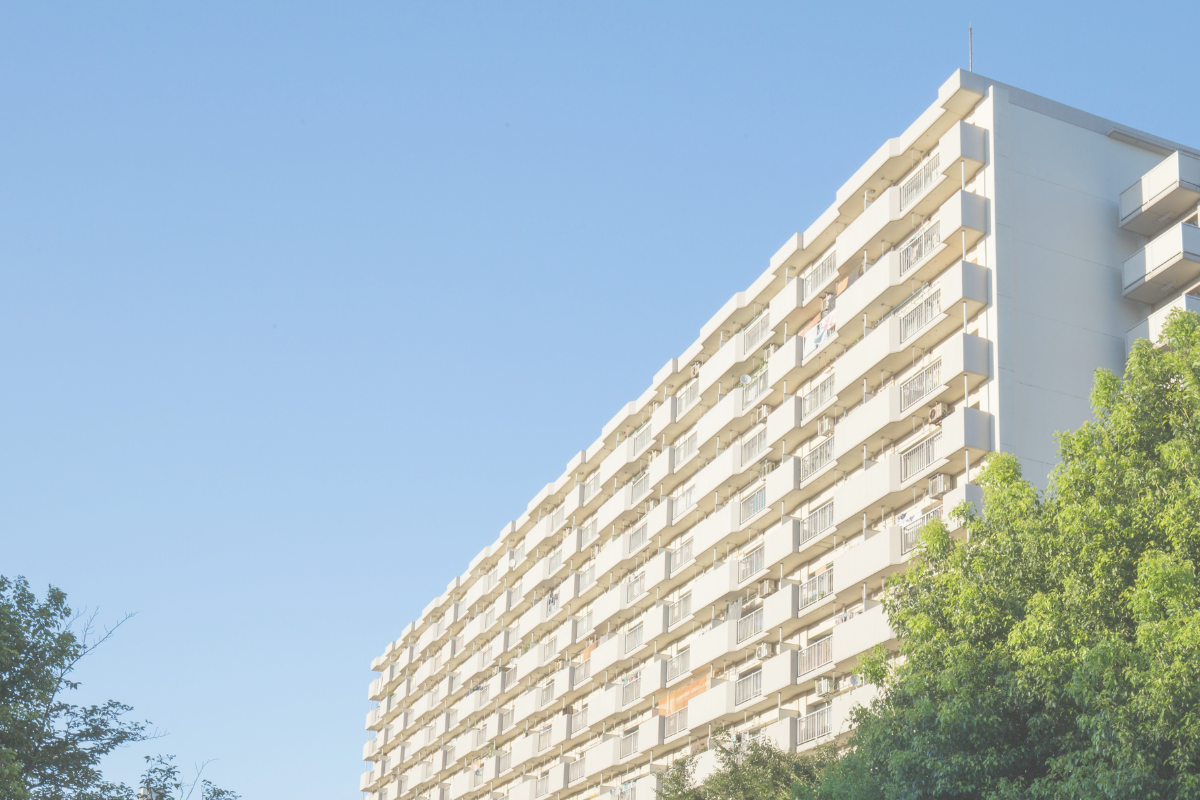
If you look for an apartment in Japan, you’ll probably come across words that can be confusing at first. Some describe your monthly costs, while others refer to fees you may need to pay when signing or renewing a rental contract.
In this article, you’ll learn practical Japanese apartment vocabulary such as 家賃, 敷金, 礼金, and 管理費, with natural examples to help you understand apartment listings and everyday conversations about renting in Japan.
Level: Intermediate
Japanese Apartment Vocabulary
家賃(やちん)
Meaning: rent / monthly rent
家賃 is the money you pay regularly to rent an apartment, house, or room. It is one of the most common words you’ll see when looking at rental listings in Japan.
Examples:
・この部屋の家賃はいくらですか?
How much is the rent for this apartment?
・駅に近いと、家賃が少し高くなる。
Rent tends to be a little higher when you live close to a station.
敷金(しききん)
Meaning: security deposit
敷金 is money paid when you sign a rental contract. It may be used to cover unpaid rent or certain costs when you move out, with any remaining amount potentially returned depending on the contract and the condition of the property.
Examples:
・この物件は敷金が1か月分必要です。
This property requires a security deposit equal to one month’s rent.
・敷金がかからない部屋を探している。
I’m looking for an apartment that doesn’t require a security deposit.
礼金(れいきん)
Meaning: key money / non-refundable payment to the landlord
礼金 is a payment sometimes made to the landlord when signing a rental contract. Unlike a security deposit, it is generally not returned when you move out.
Examples:
・このアパートは礼金なしだよ。
This apartment doesn’t require key money.
・礼金があるかどうか確認した。
I checked whether there was a key money payment.
管理費(かんりひ)
Meaning: management fee / maintenance fee
管理費 is a regular fee charged separately from rent for maintaining shared parts of a building or providing building-related services. What it covers can vary by property.
Examples:
・家賃とは別に管理費がかかります。
There’s a management fee in addition to the rent.
・管理費を入れると、毎月8万円くらいになる。
Including the management fee, it comes to about 80,000 yen a month.
更新料(こうしんりょう)
Meaning: contract renewal fee
更新料 is a fee that may be charged when you renew a rental contract. Not every rental property has one, so it’s important to check the contract or listing.
Examples:
・契約を更新するときに更新料がかかる。
There’s a renewal fee when you renew the contract.
・この物件は更新料がないみたい。
It looks like this property doesn’t have a renewal fee.
契約(けいやく)
Meaning: contract / agreement
契約 means a contract or formal agreement. When renting an apartment, you’ll commonly hear expressions such as 契約する (to sign or enter into a contract) and 契約期間 (contract period).
Examples:
・来週、不動産屋で契約する予定です。
I’m planning to sign the contract at the real estate agency next week.
・契約の内容をもう一度確認した。
I checked the details of the contract one more time.
内見(ないけん)
Meaning: apartment viewing / property viewing
内見 means visiting a property to see the inside before deciding whether to rent it. You can use 内見する when talking about going to view an apartment.
Examples:
・明日、この部屋を内見する予定です。
I’m going to view this apartment tomorrow.
・写真だけじゃなくて、内見してから決めたい。
I want to see the apartment in person before deciding, not just look at the photos.
入居(にゅうきょ)
Meaning: moving in / occupancy
入居 refers to beginning to live in a rented property. You may see expressions such as 入居日 (move-in date) and 即入居可 (available for immediate move-in) in property listings.
Examples:
・来月から入居できます。
You can move in starting next month.
・入居できる日を確認しておこう。
Let’s check the date we can move in.
退去(たいきょ)
Meaning: moving out / vacating a property
退去 means leaving a rented apartment or property. It is commonly used when discussing move-out procedures, inspections, and the end of a rental contract.
Examples:
・来月、この部屋を退去する予定です。
I’m planning to move out of this apartment next month.
・退去する前に部屋を掃除した。
I cleaned the apartment before moving out.
初期費用(しょきひよう)
Meaning: initial costs / move-in costs
初期費用 refers to the money you need to pay around the beginning of a rental contract. Depending on the property, this can include deposits, fees, insurance, and other costs.
Examples:
・初期費用は全部でどのくらいかかりますか?
About how much will the initial costs be in total?
・この物件は初期費用が思ったより高かった。
The initial costs for this property were higher than I expected.
Try It in a Real Conversation
B: うん。でも管理費が別にかかるみたい。 (Yeah. But it looks like there’s a separate management fee.)
A: 敷金と礼金は?
(What about the security deposit and key money?)
B: 敷金は1か月分で、礼金はなしだって。
(The security deposit is one month’s rent, and there’s no key money.)
A: じゃあ、一度内見してみようか。
(Then maybe we should go take a look at it.)
Quick Review
- 家賃(やちん) — rent / monthly rent
- 敷金(しききん) — security deposit
- 礼金(れいきん) — key money / non-refundable payment to the landlord
- 管理費(かんりひ) — management fee / maintenance fee
- 更新料(こうしんりょう) — contract renewal fee
- 契約(けいやく) — contract / agreement
- 内見(ないけん) — apartment viewing / property viewing
- 入居(にゅうきょ) — moving in / occupancy
- 退去(たいきょ) — moving out / vacating a property
- 初期費用(しょきひよう) — initial costs / move-in costs
You don’t need to memorize all of them at once. Start by noticing these expressions when you hear or read Japanese, and try using one or two of them the next time you talk about the weather.