Practice your Japanese reading with a story about nengajo, the New Year’s cards traditionally sent in Japan, and how this custom is changing.
This reading is designed for advanced learners, around JLPT N2–N1 level. Through an everyday seasonal tradition, you’ll explore different ways of thinking about effort, formality, and staying connected with people.
🌳 Advanced · JLPT N2–N1
Japanese Reading
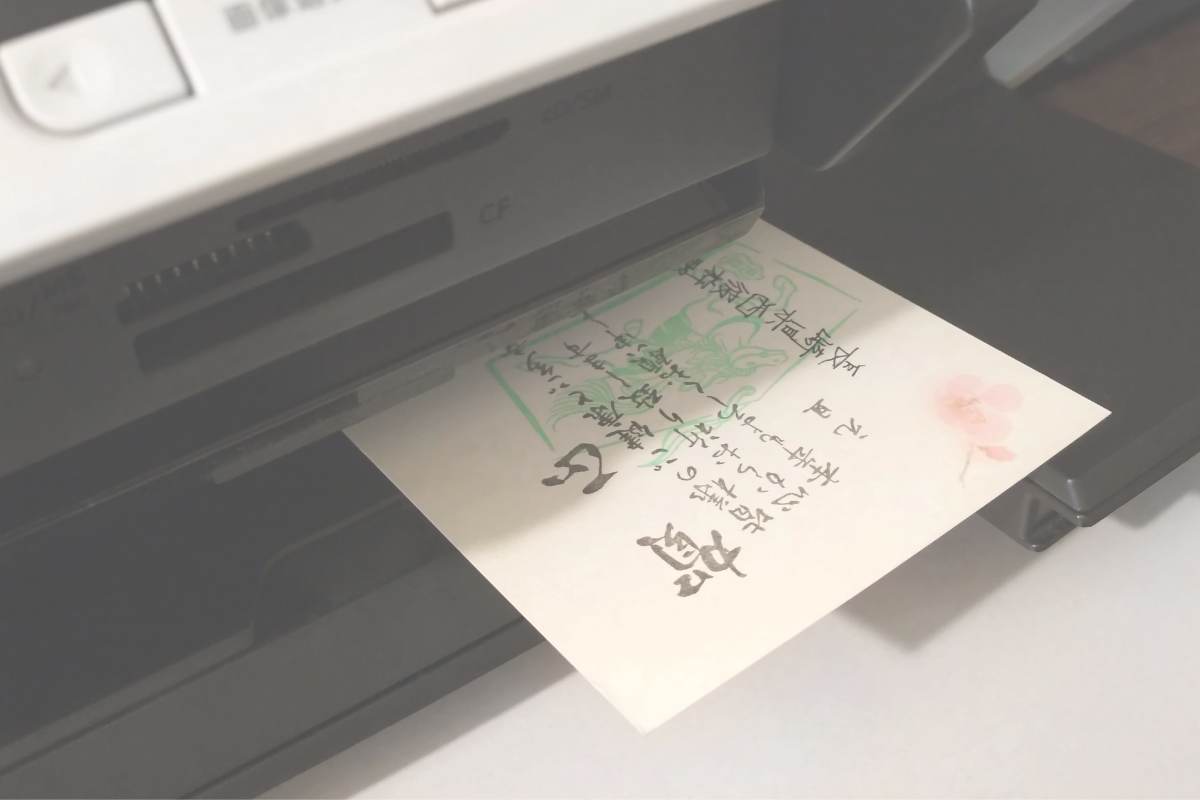
私は毎年、年末になると年賀状を書いてきた。
しかし最近は、LINEやSNSで新年のあいさつをする人が増え、私自身も送る枚数がかなり減った。
印刷や宛名書きにも手間がかかるので、そろそろやめてもいいのではないかと思うこともある。
一方で、年賀状だけでつながっている人もいる。
学生時代の友人や以前の職場の人など、普段は連絡を取らなくても、年に一度の年賀状で近況を知ることがある。
短い言葉しか書かれていなくても、それをきっかけに昔のことを思い出す。
もちろん、毎年同じようなあいさつを送り合うだけなら、形式的だと感じる人がいるのも分かる。
義務のようになってしまえば、本来の気持ちとはかけ離れてしまうだろう。
ただ、形式があるからこそ、完全には途切れずに続いてきた関係もあるのかもしれない。
年賀状を続けるか、やめるか。
どちらかに決める必要はなく、送りたい相手にだけ送るという選択もある。
習慣を守ることより、自分にとってその習慣にどんな意味があるのかを考えることのほうが、大切なのかもしれない。
Comprehension Questions
- 筆者が年賀状を送る枚数は、なぜ減ってきましたか?
- 筆者にとって、年賀状だけでつながっている人とはどのような人ですか?
- 筆者は、年賀状が形式的になってしまうことについてどのように考えていますか?
- 「形式があるからこそ、完全には途切れずに続いてきた関係」とは、どのような意味ですか?
- 最後の段落から、筆者は習慣を続けることについて何が大切だと考えていることが分かりますか?
Vocabulary
- 年賀状(ねんがじょう) — New Year’s card
- 宛名(あてな) — recipient’s name and address
- 手間(てま) — time and effort
- 枚数(まいすう) — number of sheets / cards
- 近況(きんきょう) — how someone has been lately / recent news
- きっかけ — opportunity / trigger
- 形式的(けいしきてき) — formal / done as a formality
- 義務(ぎむ) — obligation
- 本来(ほんらい) — originally / essentially
- かけ離れる(かけはなれる) — to be far removed from
- 途切れる(とぎれる) — to be interrupted / come to an end
- 関係(かんけい) — relationship
- 選択(せんたく) — choice
- 習慣(しゅうかん) — custom / habit
- 意味(いみ) — meaning / significance
Useful Expressions
1. ~のではないか — perhaps / might it be that
そろそろやめてもいいのではないかと思うこともある。Sometimes I think that perhaps it might be time to stop.
Use this expression when presenting a thought, possibility, or opinion in a softer and less direct way.
・今の生活に合わせて、やり方を変えてもいいのではないか。Perhaps it would be okay to change the way we do things to fit our lives today.
2. ~をきっかけに — triggered by / as an opportunity
それをきっかけに昔のことを思い出す。
That becomes an opportunity to remember things from the past.
Use this expression when one event or experience leads to another action, thought, or change.
・友人からの連絡をきっかけに、久しぶりにみんなで会うことになった。
A message from a friend led to all of us meeting again for the first time in a while.
3. ~からこそ — precisely because / exactly because
形式があるからこそ、完全には途切れずに続いてきた関係もあるのかもしれない。
Perhaps some relationships have continued without completely fading away precisely because that formality exists.
Use this expression to strongly emphasize that a particular reason is what makes a result possible or meaningful.
・離れて暮らしているからこそ、定期的に連絡することを大切にしている。
Precisely because we live far apart, I make a point of staying in touch regularly.
4. ~より~ほうが — rather than / more than
習慣を守ることより、自分にとってその習慣にどんな意味があるのかを考えることのほうが、大切なのかもしれない。Rather than simply preserving a custom, perhaps it is more important to think about what that custom means to you personally.
Use this pattern when comparing two things and showing that one is more important, suitable, or preferable.
・周りと同じようにすることより、自分に合った方法を選ぶほうが大切だ。
Rather than doing the same thing as everyone else, it is more important to choose a way that suits you.
English Translation
Every year, as the end of the year approaches, I have written New Year’s cards. Recently, however, more people have started sending New Year’s greetings through LINE or social media, and I now send far fewer cards myself. Printing them and writing the addresses also takes time and effort, so sometimes I wonder whether it might be time to stop.
On the other hand, there are people I stay connected with only through New Year’s cards. Old friends from school and people from former workplaces, for example. Even though we normally do not keep in touch, once a year I learn how they have been through their cards. Even if they have written only a few words, the card can bring back memories of the past.
Of course, I understand why some people feel that exchanging the same kind of greeting every year is merely a formality. If it starts to feel like an obligation, it may become far removed from the feelings it was originally meant to express. At the same time, perhaps some relationships have continued without completely fading away precisely because that formality exists.
Should I continue sending New Year’s cards, or should I stop? There is no need to choose only one or the other; sending them only to the people I genuinely want to write to is also an option. Rather than simply preserving a custom, perhaps it is more important to think about what that custom means to me personally.