Practice your Japanese reading with a story about learning how to sort trash in Japan.
This reading is designed for upper-intermediate learners, around JLPT N3–N2 level. It explores why trash-sorting rules can feel complicated at first and how your view of those rules may change once you understand them better.
🌿 Upper Intermediate · JLPT N3–N2
Japanese Reading
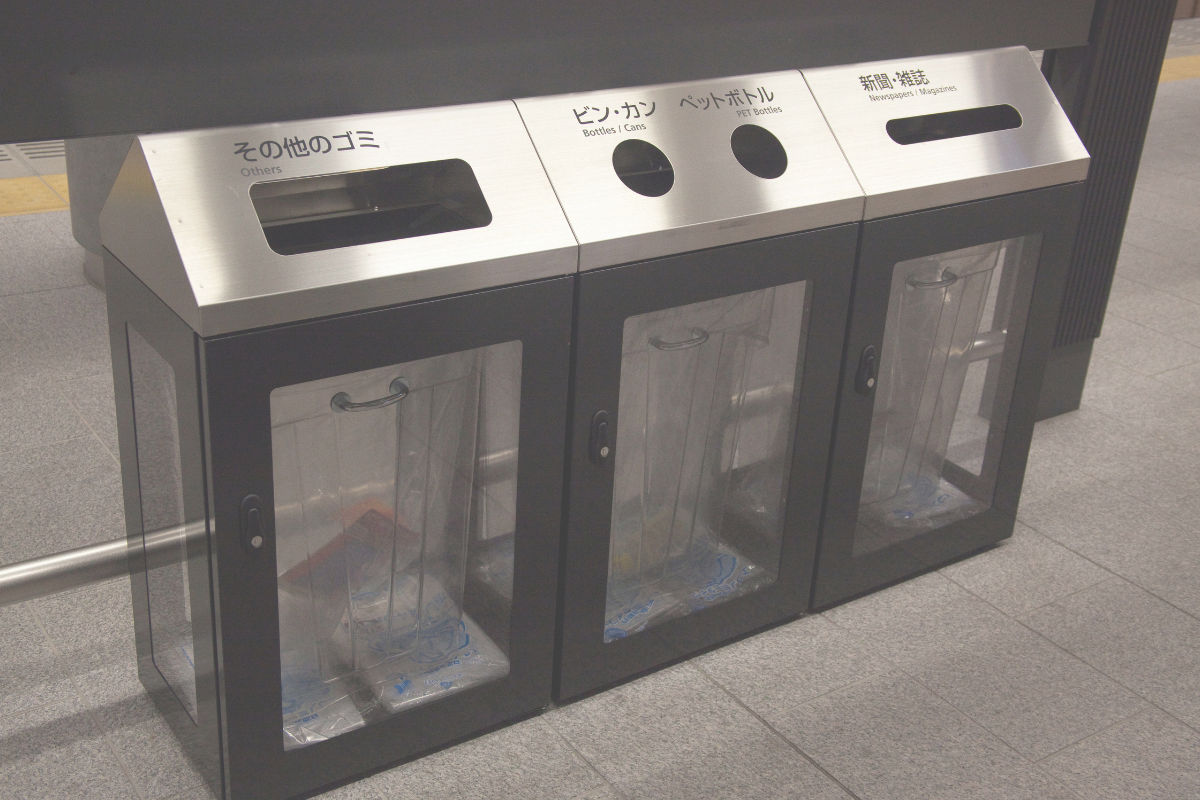
日本に引っ越したばかりのころ、ゴミを捨てるのにこんなに迷うとは思っていなかった。
燃えるゴミ、びん、缶、資源ゴミなどに分けるだけでなく、それぞれ収集日も違っていたからだ。
特に困ったのは、以前住んでいた地域とルールが違ったことだ。
同じ物でも地域によって分け方が異なる場合があり、そのたびに案内を確認するのを面倒に感じていた。
しかし、しばらく生活するうちに、少しずつ分別に慣れてきた。
同時に、「細かいルールだから面倒だ」と考えるだけでなく、ゴミがどのように処理されるのかにも興味を持つようになった。
今でも、分別を迷うことはある。
それでも、ルールをただ覚えるより、なぜその分け方が必要なのかを知ることで、面倒に感じる気持ちも少し変わるのだと思う。
Comprehension Questions
- 筆者は、日本に引っ越したばかりのころ、なぜゴミを捨てるのが難しいと感じましたか?
- 筆者が特に困ったのはどんなことですか?
- しばらく生活して、筆者にはどのような変化がありましたか?
- 筆者は、ゴミの分別について何に興味を持つようになりましたか?
- 最後に、筆者はルールについてどのように考えていますか?
Vocabulary
- 引っ越す(ひっこす) — to move house
- 捨てる(すてる) — to throw away
- 燃えるゴミ(もえるゴミ) — burnable trash
- 資源ゴミ(しげんゴミ) — recyclable waste
- 収集日(しゅうしゅうび) — collection day
- 地域(ちいき) — area / region
- 分け方(わけかた) — way of sorting / separating
- 異なる(ことなる) — to differ
- 案内(あんない) — guide / information
- 確認する(かくにんする) — to check / confirm
- 分別(ぶんべつ) — waste sorting / separation
- 処理する(しょりする) — to process / dispose of
- 興味を持つ(きょうみをもつ) — to become interested in
- 必要(ひつよう) — necessary
- 面倒(めんどう) — troublesome / a hassle
Useful Expressions
1. ~だけでなく — not only / not just
燃えるゴミ、びん、缶、資源ゴミなどに分けるだけでなく、それぞれ収集日も違っていた。
Not only did I have to separate burnable trash, bottles, cans, and recyclables, but each type also had a different collection day.
Use ~だけでなく when adding another point to something already mentioned.
・ゴミの種類だけでなく、出す曜日も確認する必要がある。
You need to check not only the type of trash but also the day it should be put out.
2. ~によって — depending on
同じ物でも地域によって分け方が異なる場合がある。
Even the same item may be sorted differently depending on the area.
Use ~によって when something changes or differs depending on a situation, place, person, or other factor.
・地域によって、ゴミを出せる時間が違います。
The time when you can put out trash differs depending on the area.
3. ~うちに — while / as time passes
しばらく生活するうちに、少しずつ分別に慣れてきた。
As I continued living there for a while, I gradually got used to sorting the trash.
Use ~うちに when something changes naturally while a situation or activity continues.
・何度も確認しているうちに、ルールを覚えました。
As I checked the rules again and again, I learned them.
4. ~より — rather than
ルールをただ覚えるより、なぜその分け方が必要なのかを知ることで、面倒に感じる気持ちも少し変わる。
Rather than simply memorizing the rules, understanding why the sorting is necessary can slightly change how troublesome it feels.
Use ~より when comparing two things or showing that one approach is more suitable or important than another.
・全部覚えようとするより、分からないときに確認するほうがいい。
Rather than trying to memorize everything, it’s better to check when you’re unsure.
English Translation
When I first moved to Japan, I didn’t expect throwing away trash to be so confusing. Not only did I have to separate burnable trash, bottles, cans, and recyclables, but each type also had a different collection day.
What confused me most was that the rules were different from the area where I had lived before. Even the same item may be sorted differently depending on the area, and I found it troublesome to check the local guide each time.
However, as I continued living there, I gradually got used to sorting the trash. At the same time, instead of simply thinking, “These detailed rules are a hassle,” I became interested in how the trash is actually processed.
Even now, there are times when I’m unsure how to sort something. Still, rather than simply memorizing the rules, I think that understanding why a particular type of sorting is necessary can change how troublesome it feels.