Practice your Japanese reading with a story about using cash and cashless payments in Japan.
This reading is designed for upper-intermediate learners, around JLPT N3–N2 level. It explores how payment methods are changing in Japan and why the most convenient choice can depend on the situation.
🌿 Upper Intermediate · JLPT N3–N2
Japanese Reading
日本で生活を始めたころ、私はほとんどの店でカードが使えると思っていた。
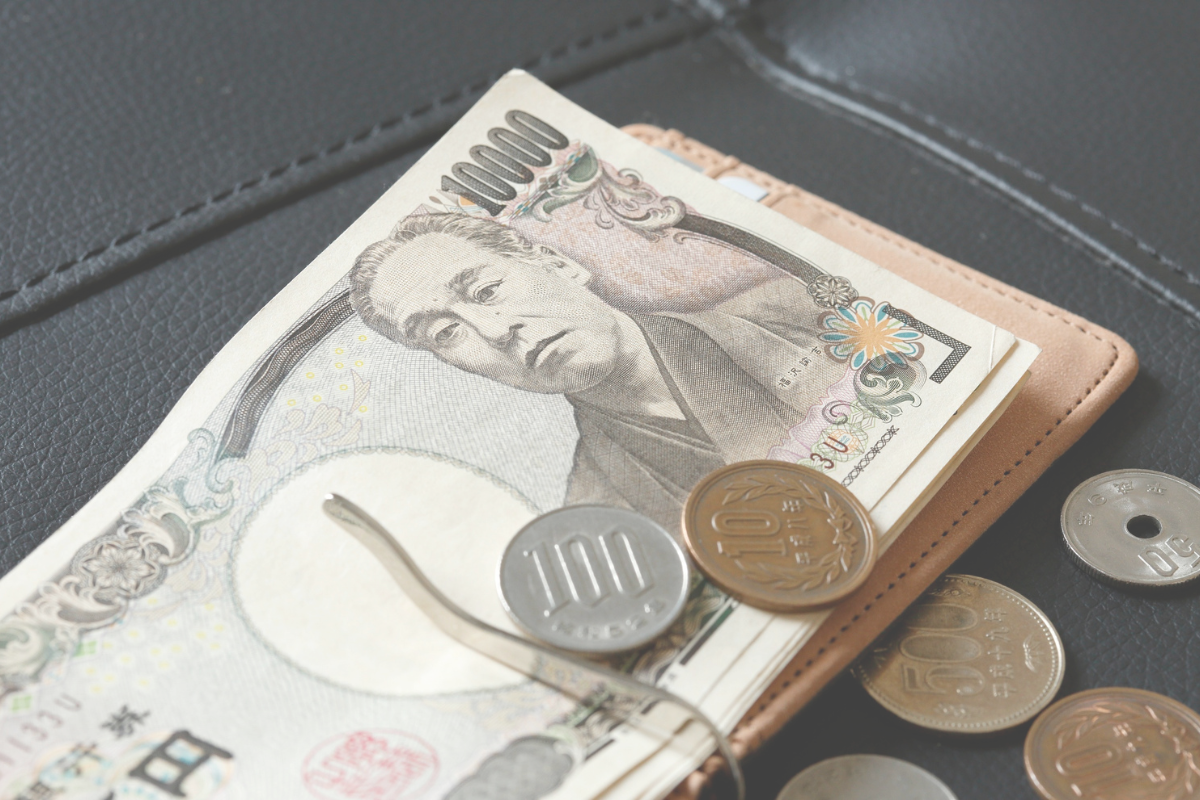
しかし、小さな店などでは現金しか使えず、支払いのときに困ったことが何度かあった。
一方で、最近はキャッシュレス決済に対応する店も増えている。
コンビニやスーパーでは、カードやスマートフォンで簡単に支払えるので、現金を使わない日もある。
それでも、私は少し現金を持ち歩くようにしている。
店によって使える支払い方法が違ううえ、現金が必要になる場面もまだあるからだ。
以前は「キャッシュレスのほうが便利だ」と単純に考えていた。
しかし今は、どちらか一つを選ぶというより、状況に合わせて使い分けることが便利なのだと思っている。
Comprehension Questions
- 筆者は日本で生活を始めたころ、支払いについてどのように考えていましたか?
- 筆者が支払いのときに困ったことがあったのはなぜですか?
- 最近、キャッシュレス決済についてどのような変化がありますか?
- 筆者が今でも少し現金を持ち歩いているのはなぜですか?
- 現金とキャッシュレス決済について、筆者の考えはどのように変わりましたか?
Vocabulary
- 現金(げんきん) — cash
- 支払い(しはらい) — payment
- キャッシュレス決済(けっさい) — cashless payment
- 対応する(たいおうする) — to support / accept
- 増える(ふえる) — to increase
- 簡単(かんたん) — easy / simple
- 持ち歩く(もちあるく) — to carry around
- 支払い方法(しはらいほうほう) — payment method
- 場面(ばめん) — situation / occasion
- 使い分ける(つかいわける) — to use different things depending on the situation
- 状況(じょうきょう) — situation / circumstances
- 生活(せいかつ) — daily life / living
- 単純(たんじゅん) — simple / straightforward
- 選ぶ(えらぶ) — to choose
- 便利(べんり) — convenient
Useful Expressions
1. ~しか~ない — only / nothing but
小さな店などでは現金しか使えず、支払いのときに困ったことが何度かあった。
At some small shops, I could only use cash, so there were several times when I had trouble paying.
Use ~しか~ない when something is limited to one option or amount.
・この店では現金しか使えません。
You can only use cash at this shop.
2. ~ようにする — make a point of / try to
私は少し現金を持ち歩くようにしている。
I make a point of carrying some cash with me.
Use ~ようにする when someone intentionally tries to make something a habit or regular practice.
・出かける前に、財布の中を確認するようにしています。
I make a point of checking my wallet before going out.
3. ~うえ — in addition / besides
店によって使える支払い方法が違ううえ、現金が必要になる場面もまだある。
Payment methods differ from shop to shop, and in addition, there are still situations where cash is necessary.
Use ~うえ when adding another related reason, fact, or point.
・この方法は簡単なうえ、時間もかかりません。
This method is simple, and it also doesn’t take much time.
4. ~というより — rather than / more like
どちらか一つを選ぶというより、状況に合わせて使い分けることが便利なのだと思っている。
Rather than choosing just one, I think it’s more convenient to use them differently depending on the situation.
Use ~というより when you want to correct or refine an idea by saying another description is more accurate.
・現金が好きというより、必要なときのために持っています。
It’s not so much that I like cash; I carry it in case I need it.
English Translation
When I first started living in Japan, I thought I would be able to use a card at almost every shop. However, some small shops only accepted cash, and there were several times when I had trouble paying.
On the other hand, more places have recently started accepting cashless payments. At convenience stores and supermarkets, it’s easy to pay by card or smartphone, so there are days when I don’t use cash at all.
Even so, I make a point of carrying a little cash with me. The payment methods available differ from shop to shop, and there are still situations where cash is necessary.
I used to simply think that cashless payments were more convenient. Now, rather than choosing one or the other, I think the most convenient approach is to use them differently depending on the situation.