Practice your Japanese reading with a story about whether you really need a car when living in Japan.
This reading is designed for upper-intermediate learners, around JLPT N3–N2 level. It looks at how transportation needs can change depending on where you live and what your daily life is like.
🌿 Upper Intermediate · JLPT N3–N2
Japanese Reading
東京に住んでいたころ、私は車が必要だと思ったことがなかった。
電車やバスでほとんどの場所へ行けるし、車を持つと駐車場代や維持費もかかるからだ。
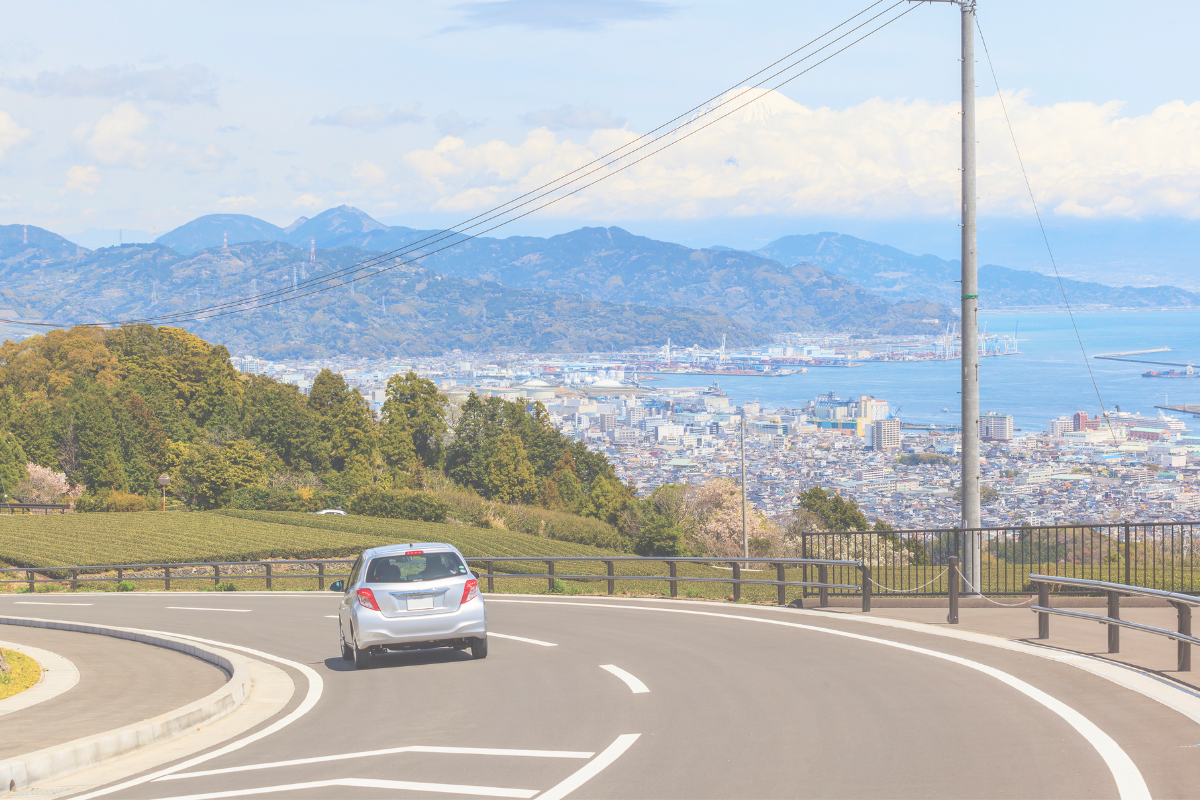
しかし、仕事で地方に引っ越してから、考えが変わった。
駅の近くに住んでいても、スーパーや病院などへ行くには車が便利なことがある。
特に雨の日や荷物が多い日は、その便利さを実感した。
一方で、車を持てばすべてが便利になるわけではない。
ガソリン代や保険料がかかるし、近い場所なら自転車や徒歩のほうが気軽な場合もある。
以前は「日本では車がなくても生活できる」と考えていた。
しかし今は、住む地域や生活スタイルによって必要性は違うと思っている。
大切なのは、自分の生活に合った移動手段を選ぶことなのだと思う。
Comprehension Questions
- 東京に住んでいたころ、筆者が車を必要だと思わなかったのはなぜですか?
- 地方に引っ越してから、筆者の考えが変わったのはなぜですか?
- 筆者は、特にどんなときに車の便利さを実感しましたか?
- 車を持つことには、どのような負担がありますか?
- 最後に、筆者は移動手段を選ぶときに何が大切だと考えていますか?
Vocabulary
- 必要(ひつよう) — necessary / needed
- 駐車場代(ちゅうしゃじょうだい) — parking fees
- 維持費(いじひ) — running costs / maintenance costs
- 地方(ちほう) — regional area / area outside a major city
- 引っ越す(ひっこす) — to move house
- 実感する(じっかんする) — to really feel / realize through experience
- 一方(いっぽう) — on the other hand
- ガソリン代(ガソリンだい) — gas / fuel costs
- 保険料(ほけんりょう) — insurance premiums
- 徒歩(とほ) — on foot
- 気軽(きがる) — easy / without much trouble
- 場合(ばあい) — case / situation
- 地域(ちいき) — area / region
- 必要性(ひつようせい) — necessity / need
- 移動手段(いどうしゅだん) — means of transportation
Useful Expressions
1. ~てから — after doing
仕事で地方に引っ越してから、考えが変わった。
My way of thinking changed after I moved to a regional area for work.
Use ~てから when something happens or changes after another action or event.
・一人暮らしを始めてから、自分で料理することが増えた。
After I started living alone, I began cooking for myself more often.
2. ~わけではない — it doesn’t mean that / not necessarily
車を持てばすべてが便利になるわけではない。
Having a car doesn’t mean that everything becomes more convenient.
Use ~わけではない when you want to say that an idea is not completely or always true.
・都会に住んでいるからといって、車が必要ないわけではない。
Living in a city doesn’t necessarily mean that you don’t need a car.
3. ~なら — if / when it comes to
近い場所なら、自転車や徒歩のほうが気軽な場合もある。
If the place is nearby, going by bicycle or on foot can sometimes be easier.
Use ~なら when talking about what applies under a particular condition or situation.
・駅まで行くだけなら、歩いたほうが早いです。
If you’re only going to the station, walking is faster.
4. ~によって — depending on
住む地域や生活スタイルによって必要性は違う。
The need for a car differs depending on where you live and your lifestyle.
Use ~によって when a situation or result changes depending on a particular factor.
・住む場所によって、家賃は大きく変わります。
Rent varies greatly depending on where you live.
English Translation
When I lived in Tokyo, I never thought I needed a car. I could get almost anywhere by train or bus, and owning a car also meant paying for parking and other running costs.
However, my thinking changed after I moved to a regional area for work. Even if you live near a station, there are times when a car is convenient for getting to places such as supermarkets and hospitals. I especially realized how useful a car could be on rainy days or when I had a lot to carry.
On the other hand, owning a car doesn’t make everything more convenient. You have to pay for gas and insurance, and for nearby places, going by bicycle or on foot can sometimes be easier.
I used to think, “You can live in Japan without a car.” Now, however, I think the need for one depends on where you live and your lifestyle. What matters is choosing a way of getting around that suits your own life.