Practice your Japanese reading with a story about taking off your shoes when entering a home in Japan.
This reading is designed for upper-intermediate learners, around JLPT N3–N2 level. It explores how a simple everyday rule can gradually become a natural habit and even change the way something feels.
🌿 Upper Intermediate · JLPT N3–N2
Japanese Reading
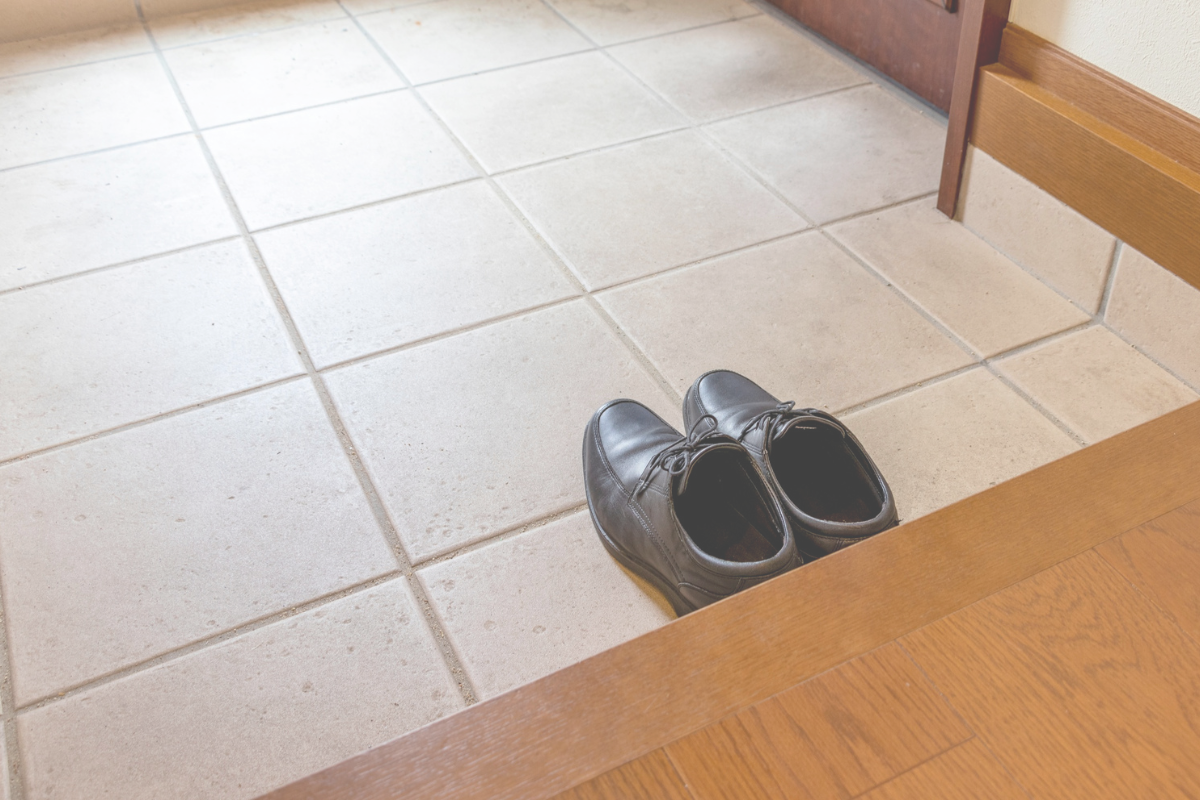
日本で暮らし始めたころ、私は家に入るときに靴を脱ぐことを、単に「床を汚さないためのルール」だと思っていた。
特に、忘れ物を取りに戻っただけなのに靴を脱ぐときは、少し面倒に感じることもあった。
しかし、毎日繰り返しているうちに、靴を脱ぐことを特に意識しなくなった。
それどころか、玄関で靴を脱ぐと、外から帰ってきた気持ちが自然に切り替わるようになった。
ある日、靴を履いたまま部屋に入る場面をテレビで見て、自分が少し違和感を覚えていることに気づいた。
以前なら何とも思わなかったので、自分でも意外だった。
習慣は、理由を理解しただけで身につくとは限らない。
同じことを繰り返しながら生活するうちに、それまで普通ではなかったことが、いつの間にか自然に感じられるようになることもあるのだと思う。
Comprehension Questions
- 日本で暮らし始めたころ、筆者はなぜ家で靴を脱ぐのだと考えていましたか?
- 筆者が靴を脱ぐことを面倒に感じることがあったのは、どんなときですか?
- 毎日靴を脱ぐようになって、筆者の感覚はどのように変わりましたか?
- テレビを見たとき、筆者は自分のどんな変化に気づきましたか?
- 最後に、筆者は習慣が身につくことについてどのように考えていますか?
Vocabulary
- 暮らし始める(くらしはじめる) — to begin living
- 単に(たんに) — simply / merely
- 床(ゆか) — floor
- 汚す(よごす) — to make dirty
- 忘れ物(わすれもの) — something left behind
- 面倒(めんどう) — troublesome / a hassle
- 繰り返す(くりかえす) — to repeat
- 意識する(いしきする) — to be conscious of / be aware of
- 切り替わる(きりかわる) — to switch / change over
- 場面(ばめん) — scene / situation
- 違和感(いわかん) — feeling that something is strange or out of place
- 意外(いがい) — unexpected / surprising
- 習慣(しゅうかん) — habit / custom
- 身につく(みにつく) — to become a habit / become acquired
- いつの間にか(いつのまにか) — before one realizes it / without noticing
Useful Expressions
1. ~ているうちに — while / as something continues
毎日繰り返しているうちに、靴を脱ぐことを特に意識しなくなった。
As I kept doing it every day, I stopped consciously thinking about taking off my shoes.
Use ~ているうちに when something gradually changes while an action or situation continues.
・日本で生活しているうちに、電車の乗り換えにも慣れた。
As I continued living in Japan, I got used to changing trains.
2. それどころか — in fact / far from that
それどころか、玄関で靴を脱ぐと、外から帰ってきた気持ちが自然に切り替わるようになった。
In fact, taking off my shoes at the entrance began to naturally make me feel that I had come home.
Use それどころか when the reality goes further than, or is quite different from, what was just mentioned.
・不便ではなかった。それどころか、前より生活しやすくなった。
It wasn’t inconvenient. In fact, life became easier than before.
3. ~とは限らない — not necessarily
習慣は、理由を理解しただけで身につくとは限らない。
Understanding the reason for a habit doesn’t necessarily mean that you will acquire it.
Use ~とは限らない when something may be true sometimes, but is not always true.
・長く住んでいるからといって、その地域のことを何でも知っているとは限らない。
Living somewhere for a long time doesn’t necessarily mean you know everything about the area.
4. ~ようになる — come to / begin to
自然に感じられるようになることもある。
Sometimes it can come to feel natural.
Use ~ようになる to describe a change in ability, behavior, feelings, or perception.
・毎日使っていると、敬語も少しずつ自然に使えるようになる。
If you use it every day, you gradually become able to use polite Japanese more naturally.
English Translation
When I first started living in Japan, I thought taking off your shoes when entering a home was simply a rule to keep the floor clean. Especially when I had only gone back inside to get something I had forgotten, taking my shoes off could sometimes feel like a bit of a hassle.
However, as I repeated it every day, I stopped consciously thinking about taking off my shoes. In fact, taking them off at the entrance began to naturally make me feel that I had switched from being outside to being back home.
One day, I saw a scene on TV where someone walked into a room with their shoes on, and I realized that it felt slightly strange to me. I wouldn’t have thought anything of it before, so even I was surprised.
Habits aren’t necessarily acquired simply by understanding the reason behind them. As we live our lives repeating the same actions, something that once didn’t feel normal can eventually begin to feel completely natural.