Practice your Japanese reading with a story about moving to a new place in Japan and gradually beginning to feel at home there.
This reading is designed for advanced learners, around JLPT N2–N1 level. Through an everyday experience of moving and leaving, you’ll explore how ordinary routines, familiar places, and small connections can change the way we feel about where we live.
🌿 Advanced · JLPT N2–N1
Japanese Reading
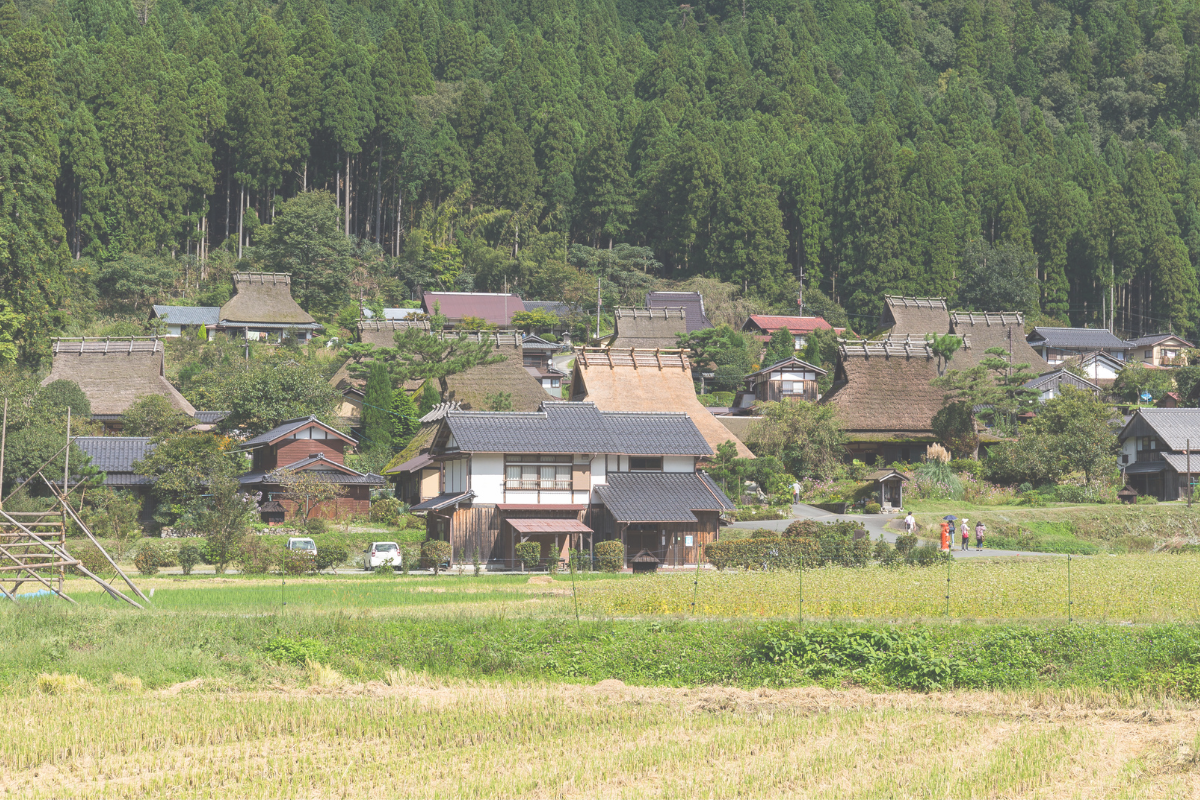
仕事の都合で今の町に引っ越してきたとき、私はここに長く住むつもりはなかった。駅までの道さえ分からず、知っている人もいないこの町を、「自分の場所」とは思えなかった。
それから数年がたち、いつの間にか生活には決まった場所が増えていた。よく行くスーパー、休日に歩く道、顔を覚えてくれた近所の店員。どれも特別なものではないが、私の日常の一部になっていた。
ところが、再び仕事で引っ越すことになり、思っていた以上に寂しさを感じた。生まれ育った場所でもないのに離れにくいのは、ここで過ごした時間の積み重ねがあるからなのかもしれない。
「自分の居場所」は、最初から決まっているものではないのだろう。何気なく繰り返していた毎日が、気づかないうちに知らない町を「帰ってくる場所」に変えていたのかもしれない。
Comprehension Questions
- 筆者は、引っ越してきたばかりの頃、この町についてどのように感じていましたか?
- 数年暮らすうちに、筆者の日常にはどのようなものが増えていきましたか?
- 筆者が再び引っ越すことになったとき、自分の気持ちに驚いたのはなぜですか?
- 筆者は、この町から離れにくいと感じる理由をどのように考えていますか?
- 最後の段落から、筆者は「自分の居場所」がどのように生まれると考えていることが分かりますか?
Vocabulary
- 都合(つごう) — circumstances / reasons
- 引っ越す(ひっこす) — to move house
- いつの間にか(いつのまにか) — before one realizes / without noticing
- 近所(きんじょ) — neighborhood / nearby area
- 日常(にちじょう) — everyday life
- 再び(ふたたび) — again / once more
- 寂しさ(さびしさ) — loneliness / sadness
- 生まれ育つ(うまれそだつ) — to be born and raised
- 積み重ね(つみかさね) — accumulation / something built up over time
- 居場所(いばしょ) — place where one belongs
- 何気なく(なにげなく) — casually / without giving it much thought
- 繰り返す(くりかえす) — to repeat
- 気づく(きづく) — to notice / realize
- 一部(いちぶ) — part
- 離れにくい(はなれにくい) — difficult to leave
Useful Expressions
1. ~つもりはない — have no intention of
私はここに長く住むつもりはなかった。
I had no intention of living here for a long time.
Use this expression when talking about something someone does not intend or plan to do.
・最初はこの仕事を何年も続けるつもりはなかった。
At first, I had no intention of staying in this job for many years.
2. ~さえ — even
駅までの道さえ分からず、知っている人もいないこの町を、「自分の場所」とは思えなかった。
I didn’t even know the way to the station, and with no one I knew in town, I couldn’t think of it as “my place.”
Use ~さえ to emphasize an example that seems basic, surprising, or extreme.
・引っ越したばかりの頃は、近くにスーパーがあることさえ知らなかった。When I had just moved, I didn’t even know there was a supermarket nearby.
3. ~うちに — while / over the course of
この町で暮らしているうちに、少しずつ知り合いが増えていった。
As I continued living in this town, I gradually got to know more people.
Use this expression when something happens or changes during a period in which a certain situation continues.
・毎日同じ道を歩いているうちに、町の小さな変化にも気づくようになった。
As I walked the same route every day, I began to notice small changes in the neighborhood.
4. ~のかもしれない — perhaps / it may be that
ここで過ごした時間の積み重ねがあるからなのかもしれない。
Perhaps it is because of all the time I have spent here.
Use this expression when suggesting a possible explanation without stating it as a definite conclusion.
・場所そのものより、そこで過ごした時間が大切なのかもしれない。
Perhaps what matters is not the place itself, but the time spent there.
English Translation
When I moved to this town because of work, I had no intention of living here for long. I didn’t even know the way to the station, and with no one I knew here, I couldn’t think of this town as “my place.”
Several years passed, and before I realized it, certain places had become part of my routine: the supermarket I often visited, the road I walked on my days off, and the neighborhood shopkeeper who remembered my face. None of them were particularly special, but they had become part of my everyday life.
Then I found out that I would have to move again for work, and I felt much sadder than I had expected. Even though this is not the place where I was born and raised, perhaps it feels difficult to leave because of all the time I have spent here.
Maybe the place where we belong is not something that is decided from the beginning. Perhaps the ordinary days I repeated without giving them much thought had quietly turned an unfamiliar town into a place I could call home.