Practice your Japanese reading with a story about food expiration dates and food waste in everyday life in Japan.
This reading is designed for advanced learners, around JLPT N2–N1 level. Through a familiar situation at home, you’ll explore the difference between following dates, judging food for yourself, and avoiding waste in the first place.
🌿 Advanced · JLPT N2–N1
Japanese Reading
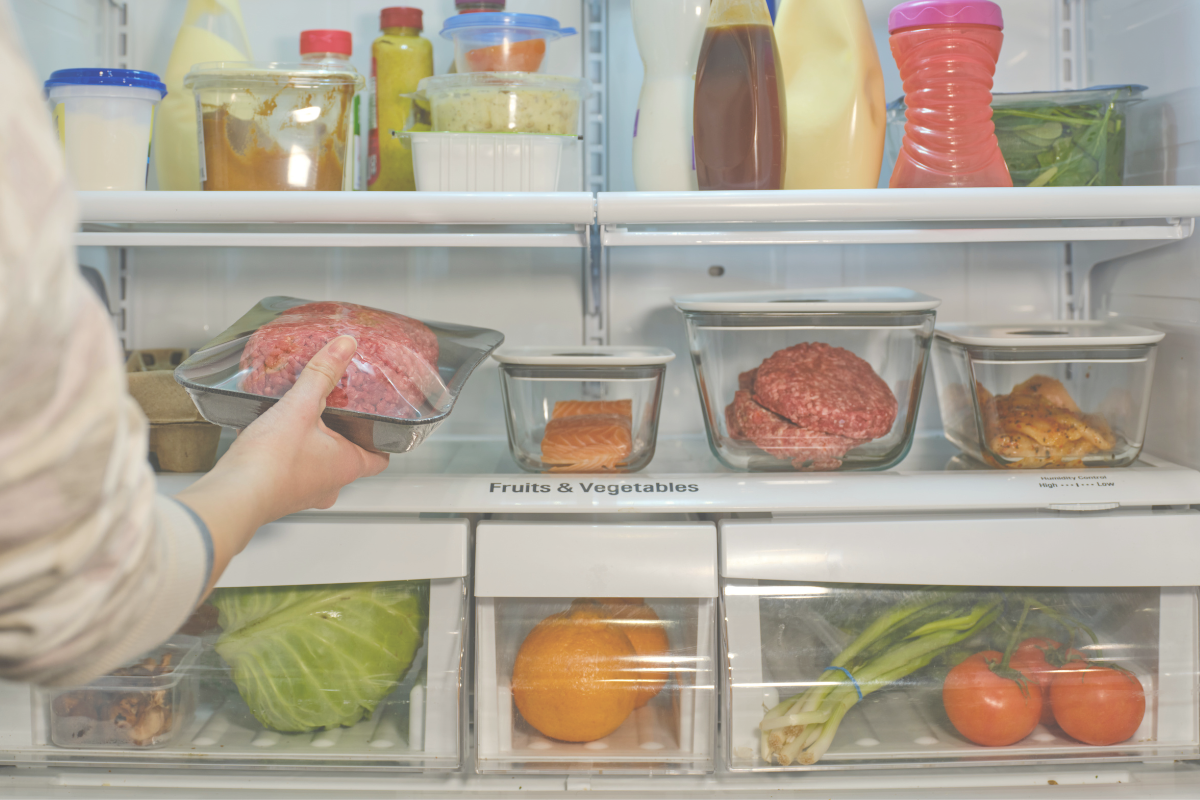
先日、冷蔵庫を整理していたら、賞味期限を数日過ぎた食品が出てきた。
家族は「期限が過ぎているなら捨てたほうがいい」と言ったが、私はまだ食べられそうなのに捨てるのはもったいないと感じた。
賞味期限は、おいしく食べられる期間の目安で、消費期限とは意味が異なる。
だからといって、期限を過ぎた食品なら何でも自分の判断で食べていい、というわけでもない。
保存方法や食品の状態によっても判断は変わる。
食品を捨てないことばかり考えると、安全への配慮がおろそかになりかねない。
一方で、日付だけを見てまだ食べられる物まで捨ててしまえば、食品ロスにつながる可能性もある。
結局、大切なのは「捨てるか食べるか」を毎回迷うことではないのかもしれない。
冷蔵庫に何があるかを把握し、食べきれる量を買う。
そうすれば、期限を過ぎた食品をどうするか悩む場面そのものを減らせるのではないだろうか。
Comprehension Questions
- 筆者と家族では、賞味期限を過ぎた食品についてどのように考え方が違いましたか?
- 本文では、賞味期限と消費期限についてどのような違いが示されていますか?
- 筆者が、期限を過ぎた食品をすべて自己判断で食べればいいとは考えていないのはなぜですか?
- 食品を捨てないことばかりを優先すると、どのような問題が起こる可能性がありますか?
- 最後に、筆者は食品ロスを減らすために何が大切だと考えていますか?
Vocabulary
- 賞味期限(しょうみきげん) — best-before date
- 消費期限(しょうひきげん) — use-by date
- 期限(きげん) — time limit / expiration date
- 目安(めやす) — guideline / reference
- 異なる(ことなる) — to differ
- 保存方法(ほぞんほうほう) — storage method
- 状態(じょうたい) — condition / state
- 判断(はんだん) — judgment / decision
- 配慮(はいりょ) — consideration / care
- おろそかにする — to neglect / give insufficient attention to
- ~かねない — could / might lead to
- 食品ロス(しょくひんロス) — food waste
- 把握する(はあくする) — to understand / keep track of
- 食べきる(たべきる) — to finish eating / consume completely
- 量(りょう) — amount / quantity
Useful Expressions
1. ~だからといって — just because / simply because
だからといって、期限を過ぎた食品なら何でも自分の判断で食べていい、というわけでもない。
That doesn’t mean that you can simply decide for yourself to eat any food once it has passed the date.
Use this expression when one fact does not automatically lead to a particular conclusion.
・賞味期限を一日過ぎたからといって、すぐに食べられなくなるとは限らない。
Just because something is one day past its best-before date doesn’t necessarily mean it immediately becomes inedible.
2. ~というわけではない — it does not mean that / it is not necessarily the case that
期限を過ぎた食品なら何でも自分の判断で食べていい、というわけでもない。
It does not mean that any food past its date is automatically fine to eat based on your own judgment.
Use this expression to correct an overly broad assumption or interpretation.
・食品を捨てないことが、いつでも正しいというわけではない。
It does not mean that avoiding food waste is always the right choice.
3. ~かねない — could / might result in
安全への配慮がおろそかになりかねない。
It could result in neglecting food safety.
Use this expression when something could lead to an undesirable result.
・値段だけで選ぶと、必要のない物まで買いかねない。
If you choose based only on price, you could end up buying things you don’t need.
4. ~ば~につながる — if …, it can lead to …
日付だけを見てまだ食べられる物まで捨ててしまえば、食品ロスにつながる可能性もある。
If we throw away food that is still edible based only on the date, it may contribute to food waste.
Use this pattern when showing that an action or situation can lead to a particular result or consequence.
・必要以上に買えば、食べ物を無駄にすることにつながる。
Buying more than you need can lead to wasting food.
English Translation
The other day, while cleaning out the refrigerator, I found some food that was a few days past its best-before date. A family member said, “If it’s past the date, we should throw it away,” but I felt it was wasteful to throw away something that still seemed edible.
A best-before date is a guideline for how long food can be enjoyed at its best, and it has a different meaning from a use-by date. That said, this doesn’t mean that you can simply decide for yourself to eat any food once it has passed the date. The decision also depends on how the food was stored and what condition it is in.
If we focus only on not throwing food away, we could end up neglecting safety. On the other hand, if we look only at the date and throw away food that is still edible, that may contribute to food waste.
In the end, perhaps the most important thing is not having to decide every time whether to eat something or throw it away. Keeping track of what is in the refrigerator and buying only as much as we can finish could reduce the number of situations in which we have to wonder what to do with food that has passed its date.