Practice your Japanese reading with a story about a family deciding whether to renovate or rebuild their old home in Japan.
This reading is designed for advanced learners, around JLPT N2–N1 level. Through a family decision, you’ll explore different perspectives on memories, safety, practicality, and what makes a house feel like home.
🌳 Advanced · JLPT N2–N1
Japanese Reading
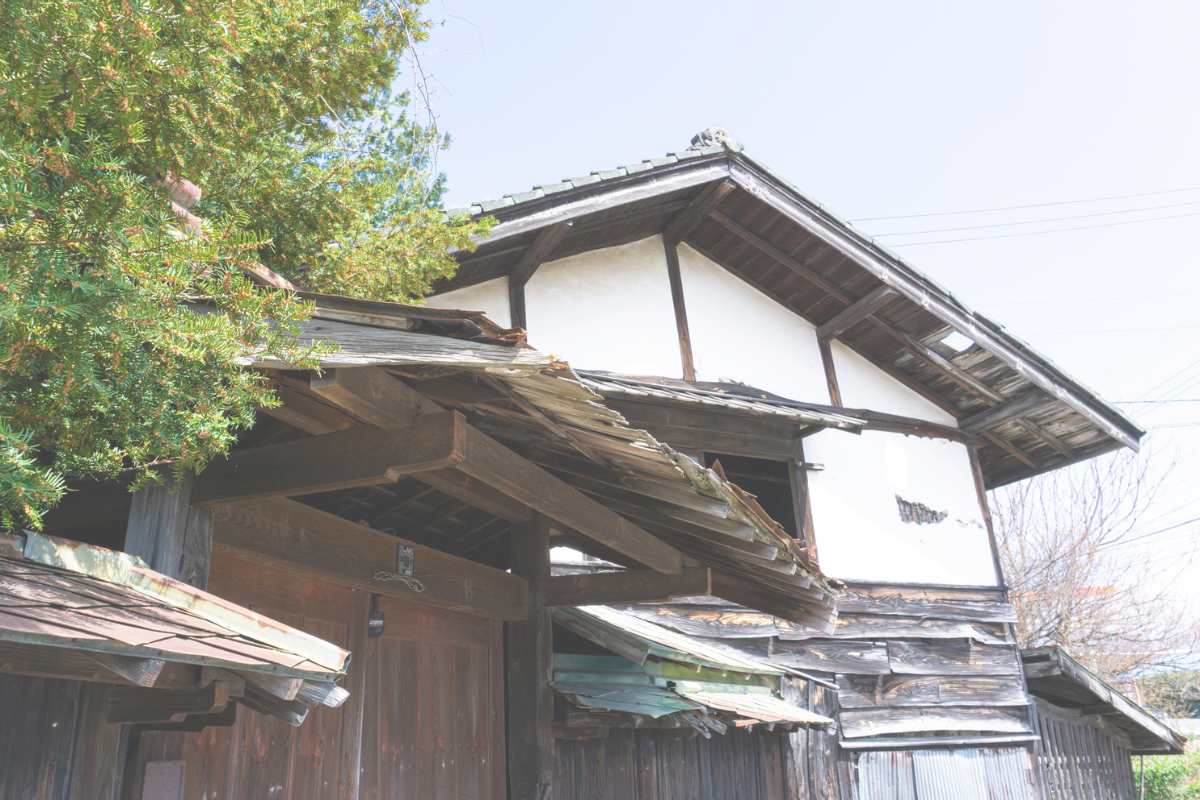
私の実家は築四十年以上になり、あちこち修理が必要になってきた。
両親はできればリフォームして住み続けたいと言う。
長く暮らしてきた家だけに、簡単には手放したくないらしい。
一方、耐震性や断熱性を改善しようとすると、かなり費用がかかるという。
今後の維持費まで考えれば、建て替えたほうが現実的だという意見もあり、家族の中でも考えが分かれている。
私にもこの家で過ごした思い出があるので、壊してしまうことには抵抗を感じる。
しかし、思い出があるからといって、将来の負担まで無視するわけにはいかない。
建物を残すことと、思い出を大切にすることは、本当に同じなのだろうか。
新しい家になれば、今までと同じ「実家」ではなくなるような気もする。
それでも、家族がそこで新しい時間を重ねていけば、また別の意味で自分たちの家になっていくのかもしれない。
Comprehension Questions
- 両親ができれば今の家に住み続けたいと考えているのはなぜですか?
- 家を建て替えたほうが現実的だという意見があるのはなぜですか?
- 筆者が家を壊すことに抵抗を感じているのはなぜですか?
- 筆者は、思い出と将来の負担についてどのように考えていますか?
- 最後の段落から、筆者の「家」に対する考えについて何が分かりますか?
Vocabulary
- 実家(じっか) — parents’ home / family home
- 築(ちく) — years since construction
- 修理(しゅうり) — repair
- 手放す(てばなす) — to let go of / give up
- 耐震性(たいしんせい) — earthquake resistance
- 断熱性(だんねつせい) — thermal insulation performance
- 改善する(かいぜんする) — to improve
- 費用(ひよう) — cost / expense
- 維持費(いじひ) — maintenance costs
- 建て替える(たてかえる) — to rebuild
- 現実的(げんじつてき) — realistic / practical
- 抵抗を感じる(ていこうをかんじる) — to feel reluctant / resistant
- 負担(ふたん) — burden
- 無視する(むしする) — to ignore
- 重ねる(かさねる) — to accumulate / build up over time
Useful Expressions
1. ~だけに — precisely because / all the more because
長く暮らしてきた家だけに、簡単には手放したくないらしい。
Precisely because it is a house they have lived in for so long, they apparently do not want to let it go easily.
Use this expression when a particular circumstance makes a feeling or result especially understandable or strong.
・長年使ってきた物だけに、捨てるのには少し抵抗がある。Precisely because I’ve used it for many years, I feel a little reluctant to throw it away.
2. ~まで考えれば — if you take … into account as well
今後の維持費まで考えれば、建て替えたほうが現実的だという意見もある。
Some feel that rebuilding would be more practical if future maintenance costs are taken into account as well.
Use this pattern when considering an additional factor before reaching a judgment or decision.
・通勤時間まで考えれば、少し家賃が高くても駅の近くに住むほうがいいかもしれない。
If you take commuting time into account as well, it may be better to live near the station even if the rent is a little higher.
3. ~からといって — just because / simply because
思い出があるからといって、将来の負担まで無視するわけにはいかない。
Just because the house holds memories doesn’t mean we can ignore the future burden.
Use this expression when one reason does not automatically justify a particular decision or conclusion.
・まだ使えるからといって、すべて残しておく必要はない。Just because something can still be used doesn’t mean you need to keep everything.
4. ~わけにはいかない — cannot reasonably / cannot simply
将来の負担まで無視するわけにはいかない。
We cannot simply ignore the future burden.
Use this expression when something may be possible but responsibility, circumstances, or other considerations make it difficult to do.
・費用がかかるからといって、安全性を無視するわけにはいかない。
We cannot simply ignore safety because it costs money.
English Translation
My parents’ house is now more than forty years old, and repairs are becoming necessary in various places. If possible, my parents would like to renovate it and continue living there. Precisely because they have lived in the house for so long, they apparently do not want to let it go easily.
On the other hand, improving its earthquake resistance and insulation would cost a considerable amount of money. Some family members feel that rebuilding would be more practical if future maintenance costs are taken into account as well, so opinions within the family are divided.
I also have many memories of time spent in this house, so I feel reluctant to see it torn down. However, just because the house holds memories doesn’t mean we can ignore the future burden. Are preserving the building and valuing our memories really the same thing?
If a new house were built, I feel that it might no longer be the same “family home” I have always known. Even so, if our family continues to spend time there and create new memories, perhaps it will gradually become our home again in a different sense.