
Practice your Japanese reading with a simple story about shopping at a supermarket in Japan and finding a discounted item.
This reading is designed for beginner learners, around JLPT N5–N4 level. Read the Japanese first, then check the comprehension questions, vocabulary, useful expressions, and English translation below.
🌱 JLPT N5–N4
Japanese Reading
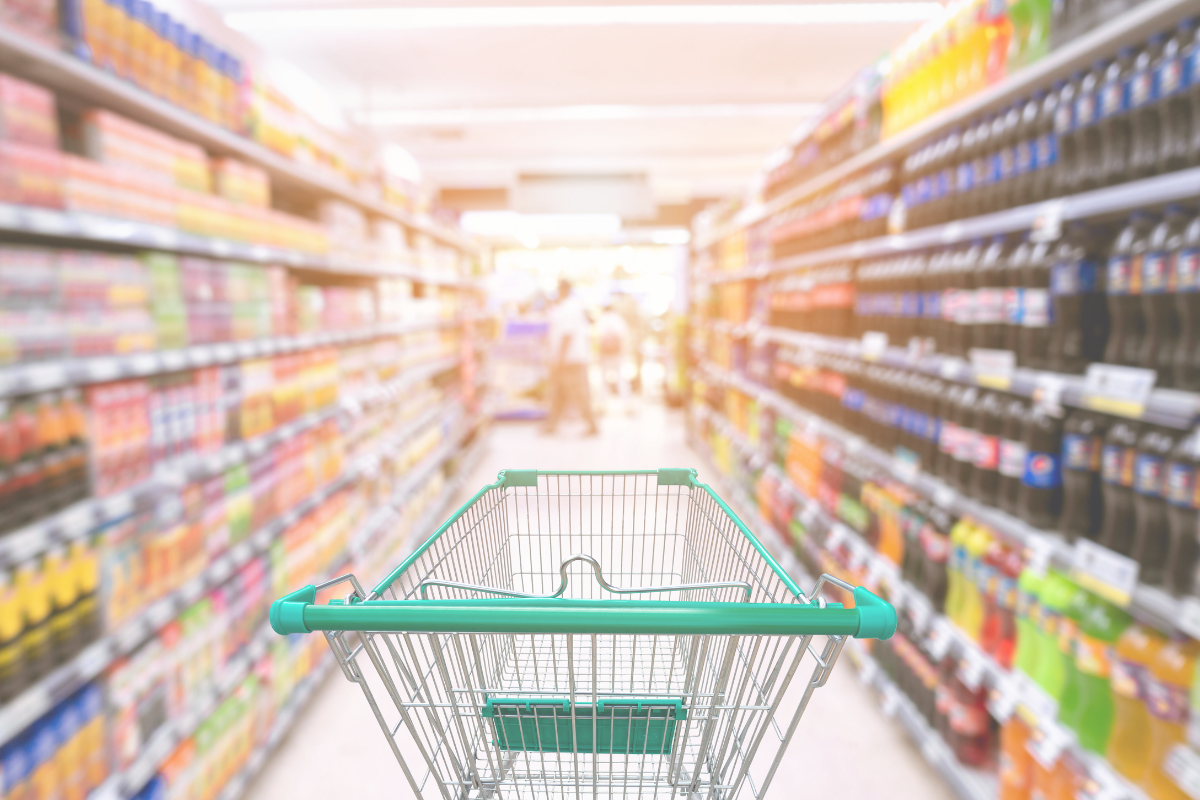
仕事の帰りに、スーパーへ行きました。
晩ごはんに何を食べようか考えながら、店の中を見ていました。
野菜や飲み物を買ってから、お弁当のコーナーへ行きました。
そこには、30%引きのシールがついたお弁当がありました。
少し迷いましたが、安くなっていたので、そのお弁当を買うことにしました。
ほかにも、パンやおそうざいに割引シールがついていました。
買いたいものをかごに入れて、レジへ行きました。
会計をして、袋に商品を入れてから、家に帰りました。
予定していたものとは少し違いましたが、お得に買い物ができてよかったです。
Comprehension Questions
- いつスーパーへ行きましたか?
- お弁当のコーナーで何を見つけましたか?
- どうしてそのお弁当を買うことにしましたか?
- ほかに、どんな商品に割引シールがついていましたか?
- 買いたいものをかごに入れたあと、どこへ行きましたか?
- 最後に、買い物についてどう思いましたか?
Vocabulary
- 晩ごはん(ばんごはん) — dinner
- 考える(かんがえる) — to think
- 野菜(やさい) — vegetables
- お弁当(おべんとう) — boxed meal / bento
- ~引き(~びき) — % off / discount
- 割引(わりびき) — discount
- シール — sticker
- 迷う(まよう) — to hesitate / be unsure
- 安くなる(やすくなる) — to become cheaper / be discounted
- おそうざい — prepared side dish / deli food
- かご — shopping basket
- 会計(かいけい) — checkout / payment
- 商品(しょうひん) — product / item
- お得(おとく) — good value / a good deal
Useful Expressions
1. ~ながら — while doing
晩ごはんに何を食べようか考えながら、店の中を見ていました。
I was looking around the store while thinking about what to eat for dinner.
~ながら is used when you do two things at the same time.
- 音楽を聞きながら、勉強します。
I study while listening to music.
2. ~てから — after doing
野菜や飲み物を買ってから、お弁当のコーナーへ行きました。
After buying vegetables and drinks, I went to the bento section.
~てから is used when one action happens after another action is finished.
- 朝ごはんを食べてから、仕事に行きます。
I go to work after eating breakfast.
3. ~がついている — has / with
30%引きのシールがついたお弁当がありました。
There was a bento with a 30% off sticker on it.
~がついている is used when something has something attached to it.
- 値段のシールがついています。
It has a price sticker on it.
4. ~くなっている — has become / is now
安くなっていたので、そのお弁当を買うことにしました。
It had been discounted, so I decided to buy the bento.
~くなる is used when something changes from one state to another.
- 夜になると、少し寒くなります。
It gets a little colder at night.
English Translation
On my way home from work, I went to a supermarket.
I looked around the store while thinking about what to have for dinner.
After buying some vegetables and drinks, I went to the bento section.
There was a bento with a 30% off sticker on it.
I hesitated for a moment, but since it had been discounted, I decided to buy it.
Some bread and prepared side dishes also had discount stickers on them.
I put the things I wanted to buy in my basket and went to the checkout.
After paying, I put the items in a bag and went home.
It was a little different from what I had planned to buy, but I was happy to get a good deal.

