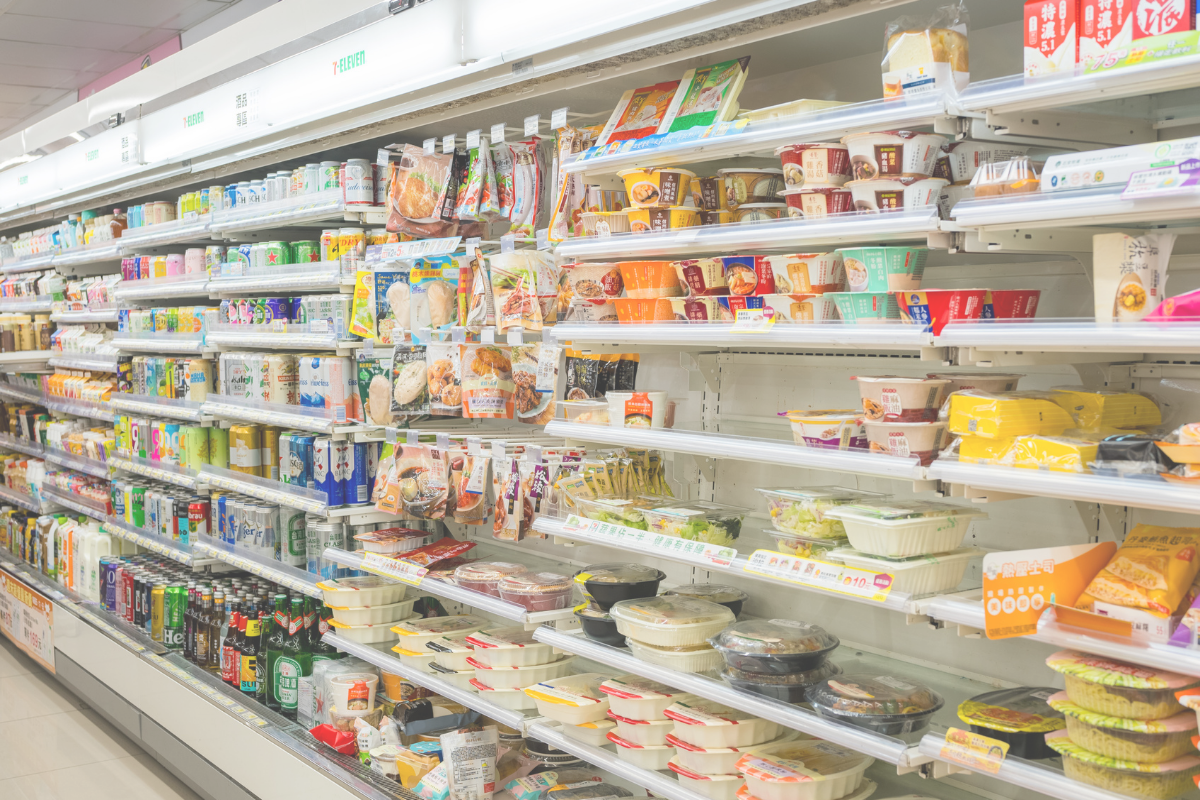
Convenience stores in Japan are useful for much more than grabbing a quick snack or drink. You can buy prepared food, pay bills, send packages, use a copy machine, and take care of all kinds of small everyday tasks.
In this article, you’ll learn 10 useful Japanese convenience store words and expressions that you may see or hear during a typical visit, with natural examples and practical context.
Level: Beginner–Intermediate
Japanese Convenience Store Vocabulary
温める(あたためる)
Meaning: to heat up / warm up
温める means to heat or warm something. At a convenience store, you’ll often hear it when buying a bento or other prepared food that can be heated in a microwave.
A common question is 温めますか? — “Would you like me to heat it up?”
Examples:
・このお弁当、温めてください。
Please heat up this bento.
・店員さんに「温めますか?」と聞かれた。
The cashier asked me if I wanted it heated up.
お箸(おはし)
Meaning: chopsticks
お箸 is the polite form of 箸 and is commonly used in stores and restaurants. When you buy a bento, noodles, or another prepared meal, you may be asked whether you need chopsticks.
Examples:
・お箸を一膳お願いします。
One pair of chopsticks, please.
・家で食べるので、お箸はいりません。
I’m eating at home, so I don’t need chopsticks.
レシート
Meaning: receipt
レシート is the receipt you receive after paying for something. A cashier may hand it to you automatically, or you might be asked whether you need it.
Examples:
・レシートをもらえますか?
Could I have the receipt?
・レシートは捨てずに取っておいた。
I kept the receipt instead of throwing it away.
公共料金(こうきょうりょうきん)
Meaning: utility bills / public service charges
公共料金 generally refers to charges for services such as electricity, gas, and water. Some bills can be paid at participating convenience stores if they come with the appropriate payment slip.
Examples:
・コンビニで公共料金を払ってきた。
I went to the convenience store and paid my utility bills.
・この公共料金の支払い、今日までだった。
The payment for this utility bill was due today.
払込票(はらいこみひょう)
Meaning: payment slip
A 払込票 is a payment slip used to pay certain bills and other charges. If convenience-store payment is supported, you can usually take the slip to the register and pay there.
Examples:
・払込票を持ってコンビニに行った。
I took the payment slip to the convenience store.
・この払込票で支払いできますか?
Can I pay using this payment slip?
宅配便(たくはいびん)
Meaning: parcel delivery / courier service
宅配便 refers to a service that delivers packages to a specified address. Many convenience stores accept certain types of packages for delivery, depending on the store and delivery service.
Examples:
・コンビニから宅配便で荷物を送った。
I sent a package by courier from a convenience store.
・この荷物を宅配便で送りたいです。
I’d like to send this package by courier.
コピー機(コピーき)
Meaning: copy machine / photocopier
コピー機 is a machine for making copies. Convenience stores often have multifunction machines that can also be used for printing and scanning.
Examples:
・コンビニのコピー機を使った。
I used the copy machine at the convenience store.
・このコピー機で書類を印刷できますか?
Can I print a document with this machine?
おにぎり
Meaning: rice ball
おにぎり is one of the most common quick foods you’ll find at a Japanese convenience store. They come with many different fillings, such as salmon, tuna mayonnaise, and pickled plum.
Examples:
・朝ごはんにおにぎりを二つ買った。
I bought two rice balls for breakfast.
・新しい味のおにぎりが出ていたから、買ってみた。
There was a new rice ball flavor, so I decided to try it.
おでん
Meaning: oden / simmered ingredients in broth
おでん is a dish made with ingredients simmered in broth, such as daikon radish, eggs, and various fish cakes. Some convenience stores sell it, particularly during the colder months, although availability varies by store.
Examples:
・寒くなってきたから、おでんが食べたくなった。
It’s getting cold, so I started craving oden.
・コンビニでおでんを買って帰った。
I bought some oden at the convenience store and took it home.
ホットスナック
Meaning: hot snack / hot prepared foo
ホットスナック refers to hot prepared foods sold near the register, such as fried chicken, croquettes, and other quick snacks.
Examples:
・レジの横にあるホットスナックを一つ買った。
I bought one of the hot snacks next to the register.
・小腹がすいたから、ホットスナックでも買おうかな。
I’m a little hungry, so maybe I’ll get a hot snack.
Try It in a Real Conversation
(Would you like me to heat up your bento?)
客: はい、お願いします。
(Yes, please.)
店員: お箸はお付けしますか?
(Would you like chopsticks?)
客: はい、一膳お願いします。あと、この払込票もお願いします。
(Yes, one pair, please. And I’d also like to pay this payment slip.)
店員: かしこまりました。
(Certainly.)
Quick Review
- 温める(あたためる) — to heat up / warm up
- お箸(おはし) — chopsticks
- レシート — receipt
- 公共料金(こうきょうりょうきん) — utility bills / public service charges
- 払込票(はらいこみひょう) — payment slip
- 宅配便(たくはいびん) — parcel delivery / courier service
- コピー機(コピーき) — copy machine / photocopier
- おにぎり — rice ball
- おでん — oden / simmered ingredients in broth
- ホットスナック — hot snack / hot prepared food
You don’t need to memorize all of them at once. Start by noticing these expressions when you hear or read Japanese, and try using one or two of them the next time you talk about the weather.