Practice your Japanese reading with a story from someone who moved to Japan and noticed some differences in everyday bathing habits.
This reading is designed for intermediate learners, around JLPT N4–N3 level. You’ll practice useful vocabulary and expressions for talking about cultural differences, habits, and how your feelings can change over time.
🌿 Intermediate · JLPT N4–N3
Japanese Reading
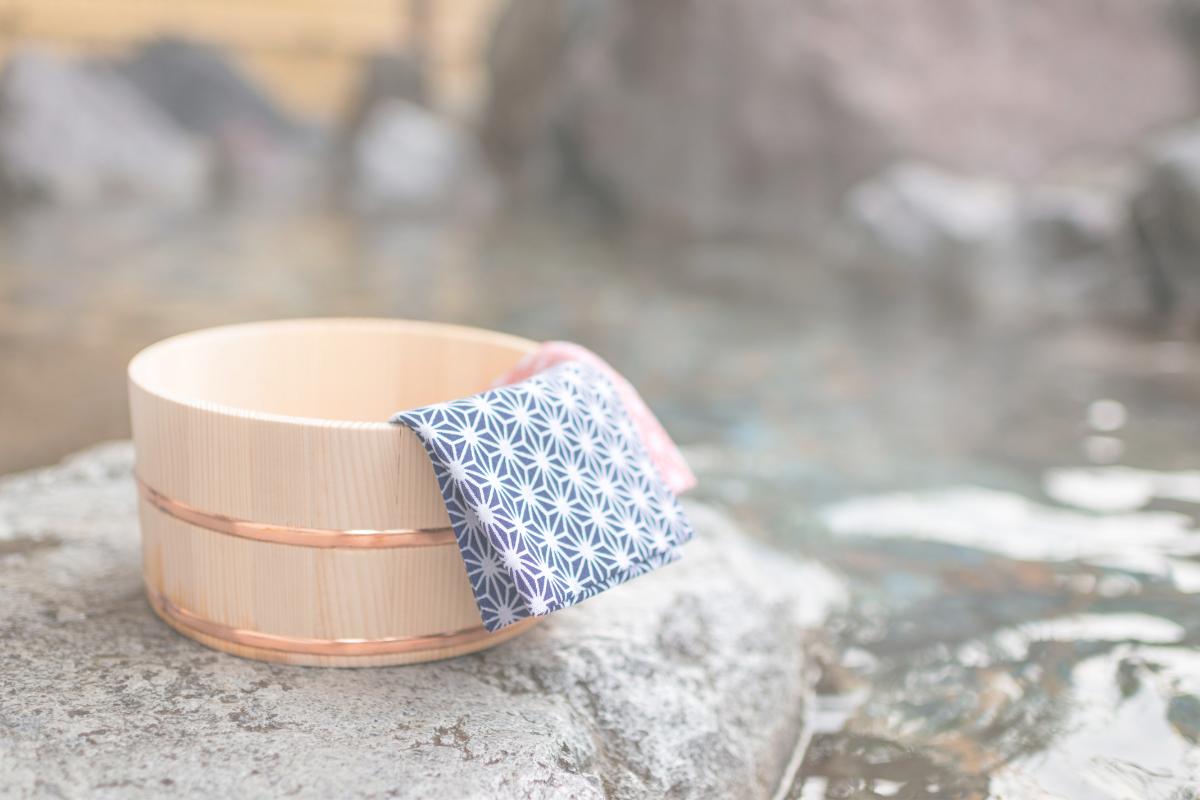
私が日本に来たばかりのころ、毎日のお風呂には少し驚きました。
私の国ではシャワーだけで済ませることが多かったので、湯船につかる習慣があまりありませんでした。
日本で初めて家のお風呂に入ったとき、まず体を洗ってから湯船に入ると聞きました。
最初は、どうして先に体を洗うのか不思議に思いました。
さらに驚いたのは、家族が同じお湯を使うことでした。「お湯を毎回入れ替えないの?」と思いましたが、湯船は体を洗う場所ではなく、温まってリラックスするための場所だと知って納得しました。
日本で生活しているうちに、私も少しずつお風呂の入り方に慣れてきました。
特に寒い日は、シャワーだけより湯船につかったほうが体が温まるので、今ではお風呂の時間を楽しみにしています。
以前は少し不思議に感じていた習慣が、実際に経験してみると自分の生活の一部になったことが面白いです。
Comprehension Questions
- 「私」の国では、普段どのようにお風呂に入ることが多かったですか?
- 日本で初めて家のお風呂に入ったとき、何を不思議に思いましたか?
- 「私」がさらに驚いたことは何ですか?
- 湯船は何をするための場所だと「私」は知りましたか?
- 日本で生活しているうちに、「私」のお風呂に対する気持ちはどう変わりましたか?
- 「私」はなぜ寒い日に湯船につかるのが好きになりましたか?
Vocabulary
- お風呂(おふろ) — bath / bathing
- 済ませる(すませる) — to finish / get something done
- 湯船(ゆぶね) — bathtub
- つかる — to soak
- 習慣(しゅうかん) — habit / custom
- 不思議(ふしぎ) — strange / curious
- 家族(かぞく) — family
- 入れ替える(いれかえる) — to replace / change
- 温まる(あたたまる) — to warm up
- 納得する(なっとくする) — to understand and accept / be convinced
- 生活(せいかつ) — daily life
- 少しずつ(すこしずつ) — little by little
- 慣れる(なれる) — to get used to
- 以前(いぜん) — before / previously
- 経験する(けいけんする) — to experience
Useful Expressions
1. ~たばかり — just did / have just done
私が日本に来たばかりのころ、毎日のお風呂には少し驚きました。
When I had just moved to Japan, I was a little surprised by everyday bathing habits.
Use ~たばかり when something happened recently or when you are talking about the period soon after something happened.
・この町に引っ越してきたばかりなので、まだ道がよく分かりません。
I just moved to this town, so I still don’t know the streets very well.
2. ~ための — for / in order to
湯船は体を洗う場所ではなく、温まってリラックスするための場所だと知りました。
I learned that the bathtub isn’t a place to wash your body, but a place to warm up and relax.
Use ~ための to describe the purpose of something.
・これは料理をするときに使うための道具です。
This is a tool used for cooking.
3. ~うちに — while / as time passes
日本で生活しているうちに、私も少しずつお風呂の入り方に慣れてきました。
As I continued living in Japan, I gradually got used to the way of bathing.
Use ~うちに when something changes or happens while a situation continues.
・日本語を使っているうちに、少しずつ話せるようになりました。
As I kept using Japanese, I gradually became able to speak it.
4. ~てみると — when I tried / when I experienced
実際に経験してみると自分の生活の一部になったことが面白いです。
It’s interesting that after actually experiencing it, it became part of my own life.
Use ~てみると when you try or experience something and discover something as a result.
初めて食べてみると、思ったよりおいしかったです。
When I tried it for the first time, it was better than I expected.
English Translation
When I had just moved to Japan, I was a little surprised by everyday bathing habits.
In my country, I usually just took a shower, so I wasn’t used to soaking in a bathtub.
The first time I used a bath at home in Japan, I was told to wash my body before getting into the bathtub. At first, I wondered why I needed to wash before getting in.
What surprised me even more was that family members use the same bathwater. I thought, “You don’t change the water every time?” But when I learned that the bathtub isn’t a place to wash your body, but a place to warm up and relax, it made sense to me.
As I continued living in Japan, I gradually got used to this way of bathing.
Especially on cold days, soaking in the bathtub warms me up more than taking a shower, so now I look forward to bath time.
I find it interesting that something I once thought was a little unusual became part of my own daily life after I actually experienced it.