Practice your Japanese reading with a story about a quiet neighborhood in Japan that has gradually started attracting more visitors.
This reading is designed for advanced learners, around JLPT N2–N1 level. Through one resident’s everyday experience, you’ll explore different perspectives on tourism, local life, and what it means when a familiar place begins to change.
🌳 Advanced · JLPT N2–N1
Japanese Reading
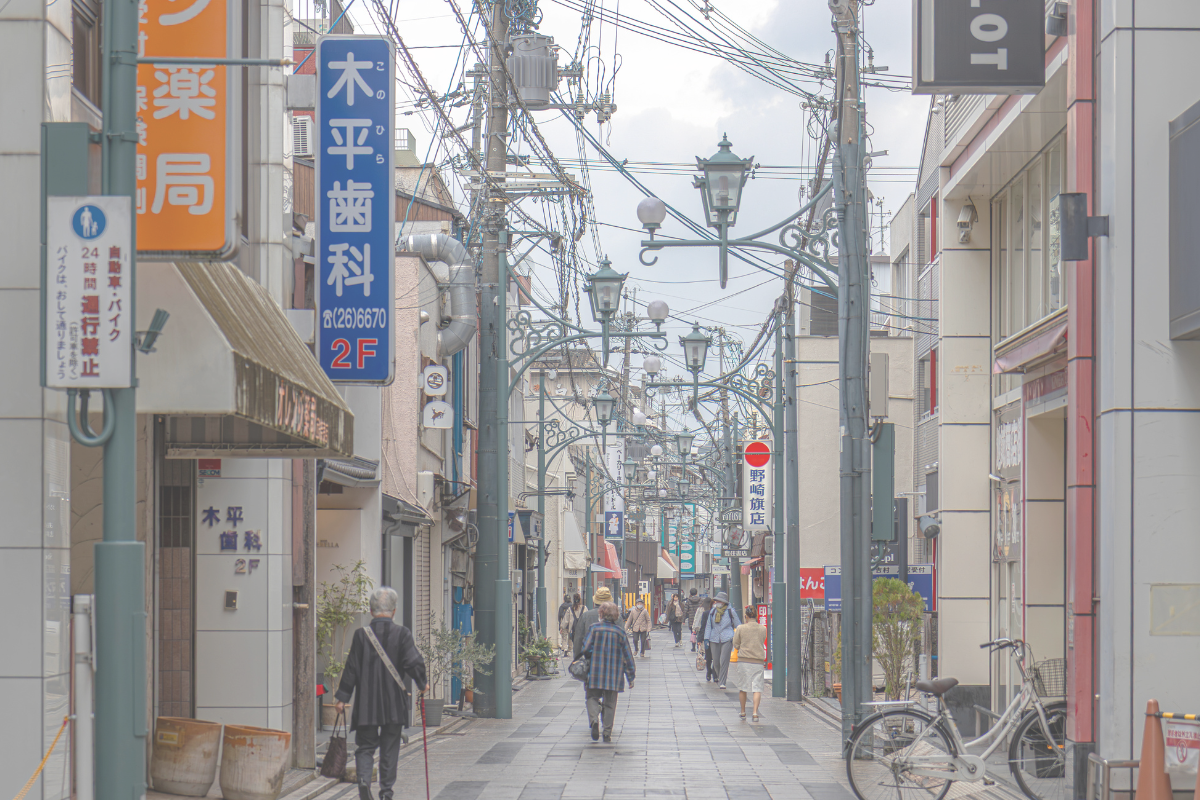
私が住んでいる町には、古い商店や細い路地が残っている。
数年前から町の風景がSNSで紹介されるようになり、週末にはカメラを持って歩く人や、小さな店の前に並ぶ人が増えてきた。
商店街で店を営む知人は、この変化を歓迎している。
閉店する店が続いていた時期を考えれば、訪れる人が増え、町に活気が戻ることには大きな意味があるという。
一方、近所では、家の前で長時間写真を撮られるなどして落ち着かないと感じる人もいる。
私も町に興味を持ってもらえるのはうれしい反面、住む人にとっての日常が、誰かにとっては「撮りたい風景」になることに少し違和感がある。
だからといって、昔の静かな町に戻ればいいとも思わない。
変化を拒むだけでは、地域の暮らしを維持できるとは限らないからだ。
町を守るとは、変えないことなのか、それとも暮らす人に配慮しながら変わっていくことなのか。
最近は、その答えは一つではないように感じている。
Comprehension Questions
- この町を訪れる人が増えたきっかけは何ですか?
- 商店街で店を営む知人は、なぜ町の変化を歓迎していますか?
- 訪れる人が増えたことについて、近所ではどのような声がありますか?
- 筆者が少し違和感を持っているのはなぜですか?
- 最後の段落から、筆者は「町を守ること」についてどのように考えていることが分かりますか?
Vocabulary
- 路地(ろじ) — alley / narrow side street
- 営む(いとなむ) — to run / operate a business
- 知人(ちじん) — acquaintance
- 歓迎する(かんげいする) — to welcome
- 閉店する(へいてんする) — to close a shop / business
- 活気(かっき) — liveliness / vitality
- 一方(いっぽう) — on the other hand
- 落ち着かない(おちつかない) — to feel unsettled / uncomfortable
- 反面(はんめん) — on the other hand / while
- 違和感(いわかん) — sense that something is not quite right
- 拒む(こばむ) — to reject / resist
- 地域(ちいき) — local area / community
- 維持する(いじする) — to maintain
- 配慮する(はいりょする) — to show consideration / take into consideration
- ~とは限らない(~とはかぎらない) — not necessarily / not always the case
Useful Expressions
1. ~からといって — just because / it doesn’t necessarily follow that
だからといって、昔の静かな町に戻ればいいとも思わない。
That doesn’t mean I think we should simply return to the quiet neighborhood of the past.
Use this expression when you want to say that something does not automatically lead to a particular conclusion.
・便利だからといって、何でも新しくする必要はない。
Just because something is convenient doesn’t mean everything needs to be replaced with something new.
2. ~反面 — on the other hand / while
私も町に興味を持ってもらえるのはうれしい反面、住む人にとっての日常が、誰かにとっては「撮りたい風景」になることに少し違和感がある。
While I’m happy that people are interested in the neighborhood, I feel slightly uneasy about everyday places for residents becoming scenery that someone else wants to photograph.
Use this expression when something has two different or contrasting sides.
・在宅勤務は自由な反面、仕事と休みを分けにくいこともある。
Working from home offers freedom, but on the other hand, it can be difficult to separate work from rest.
3. ~とは限らない — not necessarily / not always the case
変化を拒むだけでは、地域の暮らしを維持できるとは限らないからだ。
That’s because simply resisting change does not necessarily mean that local life can be maintained.
Use this expression when something may seem true or likely but is not always the case.
・有名な店だからといって、自分の好みに合うとは限らない。
Just because a restaurant is famous doesn’t necessarily mean it will suit your taste.
4. ~にとって — for / from the perspective of
住む人にとっての日常が、誰かにとっては「撮りたい風景」になることに少し違和感がある。
I feel slightly uneasy about something that is part of everyday life for residents becoming scenery that someone else wants to photograph.
Use this expression to show how something is seen, experienced, or valued from a particular person’s or group’s perspective.
・旅行者にとって便利な場所でも、住民にとって暮らしやすいとは限らない。
A place that is convenient for travelers is not necessarily easy to live in for residents.
English Translation
The neighborhood where I live still has old shops and narrow alleys. A few years ago, photos of the area began appearing on social media, and since then, more people have started walking around with cameras or lining up outside small shops on weekends.
An acquaintance of mine who runs a shop in the local shopping street welcomes this change. Considering the period when shops were closing one after another, they believe there is real value in having more visitors and seeing some liveliness return to the neighborhood.
On the other hand, some people in the area say they feel uncomfortable when visitors spend a long time taking photos in front of their homes. I’m also happy that people are interested in the neighborhood, but at the same time, I feel slightly uneasy about everyday places for residents becoming scenery that someone else wants to photograph.
That doesn’t mean I think we should simply return to the quiet neighborhood of the past. Simply resisting change does not necessarily mean that local life can be maintained. Does protecting a neighborhood mean keeping it unchanged, or allowing it to change while remaining considerate of the people who live there? Lately, I’ve felt that there may not be just one answer.