Practice your Japanese reading with a story about a local tradition in Japan and the challenges of keeping it going as people’s lives change.
This reading is designed for advanced learners, around JLPT N2–N1 level. Through an everyday conversation about a community event, you’ll explore different views on tradition, responsibility, and whether preserving something always means keeping it exactly the same.
🌳 Advanced · JLPT N2–N1
Japanese Reading
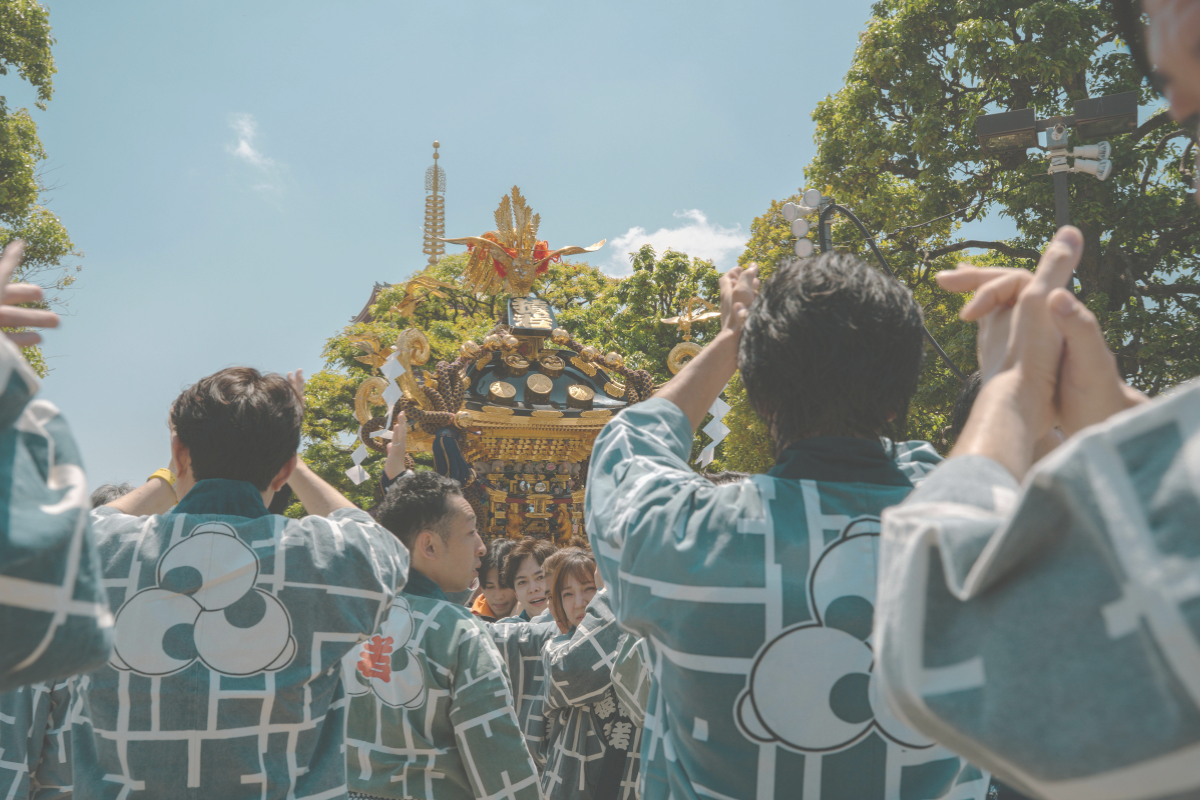
私の住む地域では、毎年秋に小さな祭りが開かれる。
子どもの頃から続いている行事だが、最近は準備をする人が減り、一人ひとりの負担が大きくなってきた。
今年の話し合いでは、「規模を縮小してはどうか」という意見が出た。
一方で、長年参加してきた人からは、「一度変えてしまえば、元には戻せないのではないか」という不安の声もあった。
どちらの気持ちも分かるだけに、簡単には決められない。
私自身、昔から続いてきた行事には残してほしい部分がある。
しかし、仕事や子育てで忙しい人に、地域のためだからと参加を求め続ければ、祭りそのものが負担として捉えられるようになるかもしれない。
形を変えずに続けることだけが、伝統を守ることなのだろうか。
大切な部分を残すために、今の暮らしに合わせて変えざるを得ないこともある。
何を残し、何を変えるのかを考え続けることも、伝統を受け継ぐ一つの方法なのかもしれない。
Comprehension Questions
- 地域の祭りでは、最近どのような問題が起きていますか?
- 祭りの規模を縮小することに不安を感じる人がいるのはなぜですか?
- 筆者が「簡単には決められない」と感じているのはなぜですか?
- 筆者は、参加を求め続けることにどのような問題があると考えていますか?
- 最後の段落から、筆者は伝統を受け継ぐことについてどのように考えていることが分かりますか?
Vocabulary
- 地域(ちいき) — local area / community
- 行事(ぎょうじ) — event / traditional event
- 準備(じゅんび) — preparation
- 負担(ふたん) — burden
- 規模(きぼ) — scale / size
- 縮小する(しゅくしょうする) — to reduce / scale down
- 長年(ながねん) — for many years
- 不安(ふあん) — anxiety / concern
- 判断する(はんだんする) — to judge / make a decision
- 求める(もとめる) — to ask for / expect
- 捉える(とらえる) — to perceive / regard
- 伝統(でんとう) — tradition
- ~ざるを得ない(~ざるをえない) — to have no choice but to
- 受け継ぐ(うけつぐ) — to inherit / carry on
- 維持する(いじする) — to maintain
Useful Expressions
1. ~だけに — precisely because / all the more because
どちらの気持ちも分かるだけに、簡単には決められない。
Precisely because I understand how both sides feel, it isn’t an easy decision to make.
Use this expression when a particular reason makes a feeling or result stronger or more understandable.
・長く住んでいるだけに、この町が変わっていくのは少し寂しい。
Precisely because I’ve lived here for so long, it feels a little sad to see the town change.
2. ~からと — because / on the grounds that
仕事や子育てで忙しい人に、地域のためだからと参加を求め続ければ、祭りそのものが負担として捉えられるようになるかもしれない。
If people who are busy with work or raising children continue to be expected to participate simply because it is “for the community,” the festival itself may come to be seen as a burden.
Here, ~からと shows the reason or justification someone gives for an action or expectation.
・昔からの習慣だからと、全員に同じやり方を求める必要はない。
There is no need to expect everyone to follow the same way of doing things simply because it is an old custom.
3. ~ざるを得ない — to have no choice but to
大切な部分を残すために、今の暮らしに合わせて変えざるを得ないこともある。
In order to preserve what matters, there may be things that have no choice but to change to fit the way people live today.
Use this expression when circumstances make an action necessary, even if it is not the preferred choice.
・参加する人がさらに減れば、イベントの内容を見直さざるを得ない。
If the number of participants decreases further, we will have no choice but to reconsider the event.
4. ~ようになる — to come to / to reach the point where
祭りそのものが負担として捉えられるようになるかもしれない。
The festival itself may come to be seen as a burden.
This expression describes a change that develops over time, such as a change in ability, behavior, situation, or perception.
・働き方が変わり、地域の行事に参加できない人も増えるようになった。
As working styles changed, more people came to be unable to participate in local events.
English Translation
In the area where I live, a small festival is held every autumn. It has been going on since I was a child, but recently fewer people have been helping with the preparations, increasing the burden on each person.
At this year’s meeting, someone suggested reducing the scale of the festival. On the other hand, some people who have participated for many years expressed concern that once it was changed, it might never return to the way it was. Precisely because I understand how both sides feel, it isn’t an easy decision to make.
Personally, there are parts of this long-standing event that I would like to see preserved. However, if people who are busy with work or raising children continue to be expected to participate simply because it is “for the community,” the festival itself may eventually come to be seen as a burden.
Is keeping something exactly the same really the only way to protect a tradition? In order to preserve what matters, there may be things that have no choice but to change to fit the way people live today. Perhaps continuing to think about what should remain and what should change is also one way of passing a tradition on.