Practice your Japanese reading with a story about a small local supermarket in Japan that is about to close.
This reading is designed for advanced learners, around JLPT N2–N1 level. Through an everyday change in the neighborhood, you’ll explore how the same situation can affect people differently depending on their circumstances.
🌳 Advanced · JLPT N2–N1
Japanese Reading
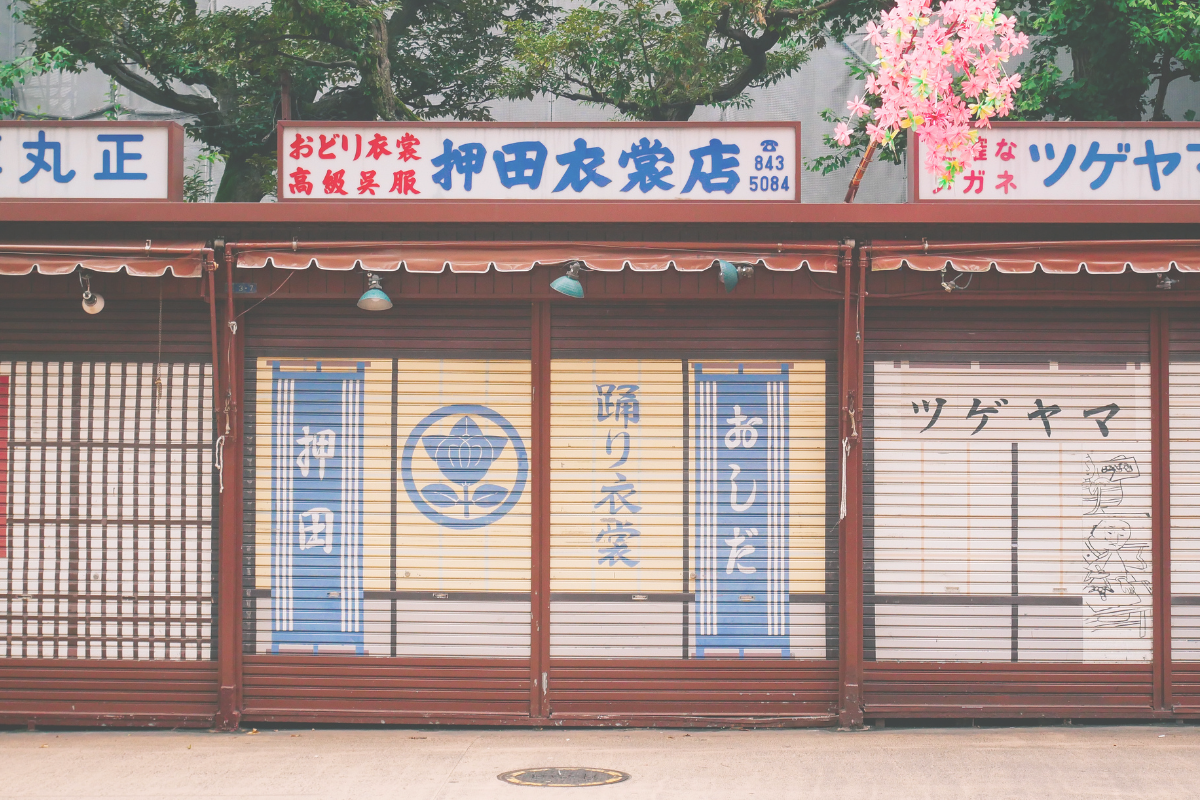
家の近くにある小さなスーパーが、来月で閉店することになった。私は車で少し離れた大型店にも行けるので、最初は「少し不便になるな」と思った程度だった。
しかし、近所に住む高齢の女性は、「これからどこで買い物をしよう」と困っていた。その人にとっては、歩いて行けることだけでなく、店員や近所の人と顔を合わせることも、この店に通う理由だったらしい。
一方で、利用する人が減っている以上、店を維持するのが難しいという事情もある。地域に必要だからといって、店側に負担を求め続けるわけにもいかない。ネットスーパーなどの選択肢も増えているが、誰にとっても同じように便利だとは限らない。
代わりの店やサービスがあれば、それで問題は解決したと言えるのだろうか。便利さとは、選択肢の多さだけではなく、自分の生活に無理なく取り入れられることも含むのかもしれない。店がなくなることの意味は、思っていた以上に人によって違うのだと感じた。
Comprehension Questions
- スーパーの閉店を知ったとき、筆者は最初どのように感じましたか?
- 近所の高齢の女性にとって、このスーパーには買い物以外にどのような意味がありましたか?
- 店をそのまま維持することが難しいのはなぜですか?
- 筆者は、ネットスーパーなどの新しい選択肢についてどのように考えていますか?
- 最後の段落から、筆者の「便利さ」に対する考えについて何が分かりますか?
Vocabulary
- 閉店(へいてん) — closing of a store / going out of business
- 高齢(こうれい) — elderly / advanced age
- 事情(じじょう) — circumstances / situation
- 利用する(りようする) — to use / make use of
- 維持する(いじする) — to maintain
- 地域(ちいき) — local area / community
- 負担(ふたん) — burden
- 求める(もとめる) — to demand / expect
- 選択肢(せんたくし) — option / choice
- 限る(かぎる) — to be limited / necessarily be the case
- 代わり(かわり) — replacement / alternative
- 解決する(かいけつする) — to solve / resolve
- 取り入れる(とりいれる) — to adopt / incorporate
- 含む(ふくむ) — to include
- 意味(いみ) — meaning / significance
Useful Expressions
1. ~以上 — given that / since
利用する人が減っている以上、店を維持するのが難しいという事情もある。
Given that fewer people are using the store, there are also circumstances that make it difficult to keep it running.
Use this expression when a fact or situation naturally leads to a conclusion, responsibility, or consequence.
・引き受けた以上、最後まで責任を持ちたい。
Since I agreed to take it on, I want to take responsibility for it until the end.
2. ~からといって — just because / simply because
地域に必要だからといって、店側に負担を求め続けるわけにもいかない。Just because the store is important to the community doesn’t mean we can keep expecting the business to bear the burden.
Use this expression when one fact does not automatically justify a particular conclusion or action.
・昔から続いているからといって、同じ方法を続ける必要があるとは限らない。
Just because something has been done for a long time doesn’t necessarily mean it has to continue in the same way.
3. ~わけにもいかない — cannot simply / cannot reasonably
店側に負担を求め続けるわけにもいかない。
We cannot simply keep expecting the store to carry the burden.
Use this expression when something may technically be possible, but circumstances, responsibility, or consideration make it difficult or inappropriate to do.
・忙しいからといって、約束を何度も断るわけにもいかない。Even if I’m busy, I can’t reasonably keep turning down our plans.
4. ~とは限らない — not necessarily / not always
誰にとっても同じように便利だとは限らない。
They are not necessarily equally convenient for everyone.
Use this expression when something that may seem generally true does not apply in every situation.
・選択肢が多ければ、決めやすくなるとは限らない。Having more options does not necessarily make a decision easier.
English Translation
A small supermarket near my home is going to close next month. Since I can drive to a larger store a little farther away, at first I only thought, “This will be a little inconvenient.”
However, an elderly woman who lives nearby was worried about where she would shop from now on. For her, being able to walk to the supermarket was not the only reason she went there. Apparently, seeing the staff and other people from the neighborhood was also part of what brought her to the store.
On the other hand, given that fewer people are using the supermarket, there are circumstances that make it difficult to keep it running. Just because the store is important to the community doesn’t mean we can keep expecting the business to bear the burden. There are also more alternatives now, such as online grocery services, but they are not necessarily equally convenient for everyone.
If another store or service is available, can we really say that the problem has been solved? Perhaps convenience is not only about having many options, but also about whether those options can fit naturally into your life. I realized that the loss of a store can mean far more different things to different people than I had thought.