Practice your Japanese reading with a story about supporting an aging parent while balancing work, family, and everyday life.
This reading is designed for advanced learners, around JLPT N2–N1 level. Through a family’s everyday situation in Japan, you’ll explore different perspectives on responsibility, independence, and what it really means to support someone.
🌳 Advanced · JLPT N2–N1
Japanese Reading
母は今も一人で暮らしている。
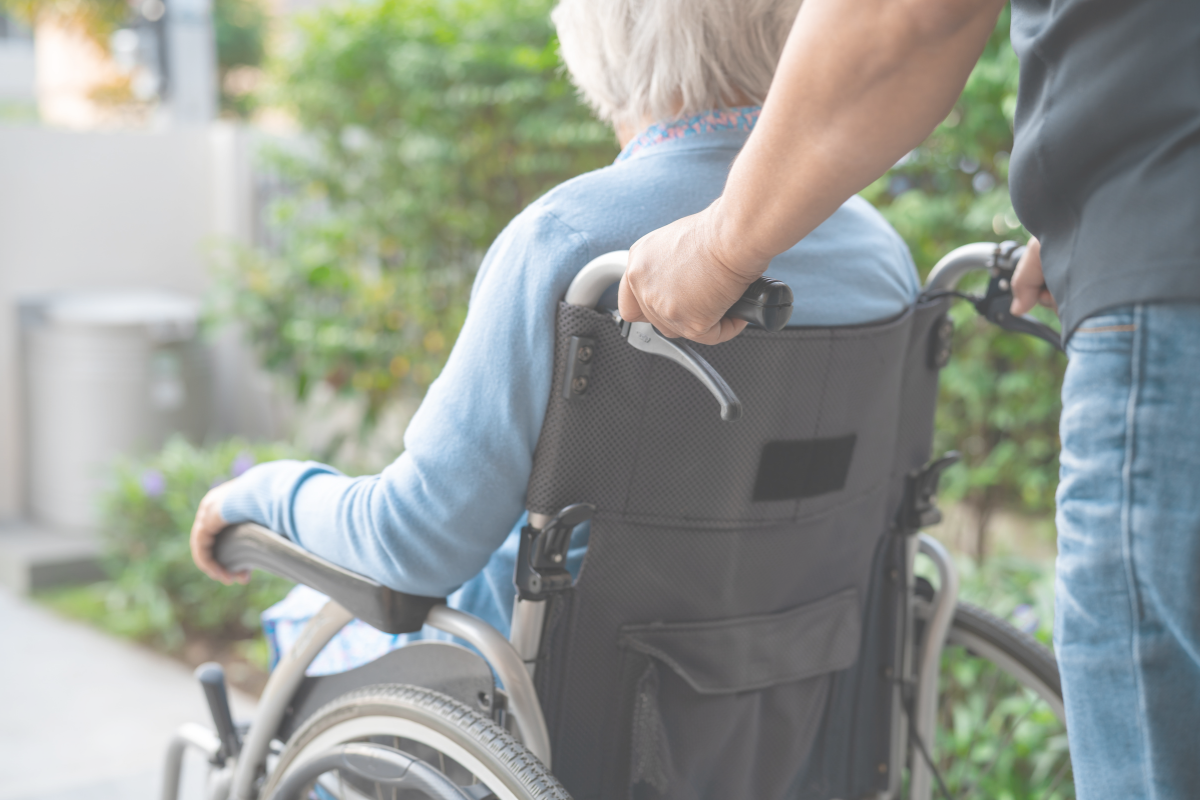
まだ身の回りのことは自分でできるが、最近は病院への付き添いや重い物の買い物を頼まれることが増えてきた。
私もできる限り手伝いたいと思っている。
ただ、母の家までは車で一時間ほどかかり、私にも仕事や自分の家庭がある。
弟はさらに遠くに住んでいるため、「兄弟なのだから同じように負担するべきだ」と考えても、現実には簡単ではない。
母はよく「子どもには迷惑をかけたくない」と言う。
しかし、その言葉をそのまま受け取って何もしなければ、かえって困らせてしまう可能性もある。
一方で、心配だからと何でも先回りしてしまえば、母が自分で決める機会を奪うことにもなりかねない。
家族を支えることに、全員に当てはまる正解はないのだと思う。
誰がどれだけ手伝うかだけでなく、本人が何を望んでいるのか、自分たちに無理なくできることは何か。
その両方を確かめながら、必要な支え方を考えていくしかないのかもしれない。
Comprehension Questions
- 最近、母は筆者にどのようなことを頼むようになりましたか?
- 筆者が母を手伝うことには、どのような難しさがありますか?
- 筆者は、兄弟で同じように負担することについてどう考えていますか?
- 筆者が、母のために何でも先回りすることには問題があると考えるのはなぜですか?
- 最後の段落から、筆者は家族を支えるときに何が大切だと考えていることが分かりますか?
Vocabulary
- 身の回り(みのまわり) — personal / everyday matters
- 付き添い(つきそい) — accompanying someone for support
- できる限り(できるかぎり) — as much as possible
- 負担(ふたん) — burden / responsibility
- 現実(げんじつ) — reality
- 迷惑をかける(めいわくをかける) — to cause trouble / inconvenience someone
- 受け取る(うけとる) — to take / interpret
- かえって — instead / contrary to what is expected
- 可能性(かのうせい) — possibility
- 先回りする(さきまわりする) — to anticipate and act in advance
- 奪う(うばう) — to take away / deprive
- ~にもなりかねない — could result in / could potentially become
- 当てはまる(あてはまる) — to apply / be applicable
- 本人(ほんにん) — the person concerned / the person themselves
- 支える(ささえる) — to support
Useful Expressions
1. ~できる限り — as much as possible / as far as one can
私もできる限り手伝いたいと思っている。
I also want to help as much as I can.
Use this expression when someone intends to do something to the greatest extent that their circumstances allow.
・離れて暮らしていても、できる限り家族を支えたい。Even though we live apart, I want to support my family as much as I can.
2. ~からと — simply because / on the grounds that
兄弟だからと、同じ負担を求めるのが公平とは限らない。Simply because people are siblings does not necessarily mean that expecting the same burden from each of them is fair.
This form is used when a reason or assumption is presented as the basis for an action or judgment.
・家族だからと、何でも頼っていいわけではない。
Simply because someone is family doesn’t mean you can rely on them for everything.
3. ~にもなりかねない — could result in / could potentially lead to
母が自分で決める機会を奪うことにもなりかねない。
It could end up taking away opportunities for my mother to make her own decisions.
Use this expression when an action or situation could lead to an undesirable result.
・心配しすぎることが、相手の負担にもなりかねない。Worrying too much could itself become a burden on the other person.
4. ~しかない — have no choice but to / the only thing to do is
その両方を確かめながら、必要な支え方を考えていくしかないのかもしれない。
Perhaps all we can do is keep thinking about the kind of support that is needed while considering both sides.
Use this expression when there appears to be no better or more realistic alternative.
・すぐに答えが出ないなら、話し合いながら決めていくしかない。
If we can’t find an answer right away, we have no choice but to work it out through discussion.
English Translation
My mother still lives alone. She can still take care of everyday things by herself, but recently she has started asking me more often to accompany her to the hospital or help her shop for heavy items. I want to help as much as I can.
However, it takes about an hour to drive to her house, and I have my own job and family. My younger brother lives even farther away, so even if we think, “We’re siblings, so we should share the responsibility equally,” that is not so simple in reality.
My mother often says, “I don’t want to be a burden on my children.” But if I take those words at face value and do nothing, I may actually make things more difficult for her. On the other hand, if I anticipate everything and do it for her simply because I am worried, I could end up taking away opportunities for her to make her own decisions.
I don’t think there is one correct way of supporting family that applies to everyone. It is not only a question of who should help and how much, but also of what the person herself wants and what the rest of us can realistically do without overburdening ourselves. Perhaps all we can do is keep considering both and work out what kind of support is actually needed.